 Harper Anderson
 People must stop their worry about broken zippers and their baggage carousel “blank-out” moments. The total package of lock resetting leads to a travel professional experience. The development of your equipment handling abilities stands as the primary requirement for achieving vacation relaxation when you travel between short trips and extended travel periods.
The Universal “Push and Hold” Move
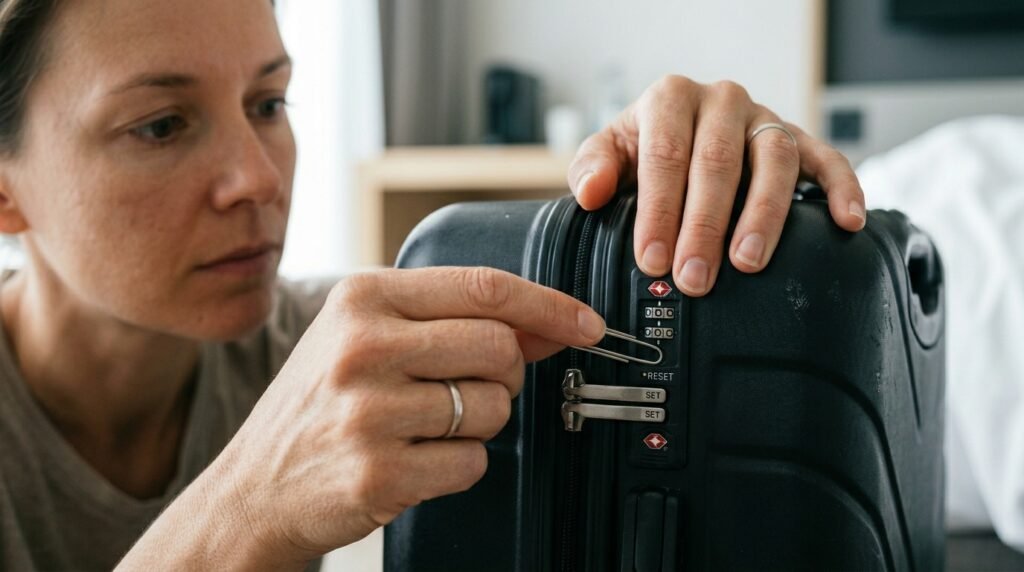
A small reset button exists on most integrated TSA locks as a tiny opening which people can find close to the locking system dials. The user should use a pen or paperclip to press down the button until the lock produces a “click” sound which indicates that the lock has reached its code entering stage.
The “90-Degree” Padlock Pivot
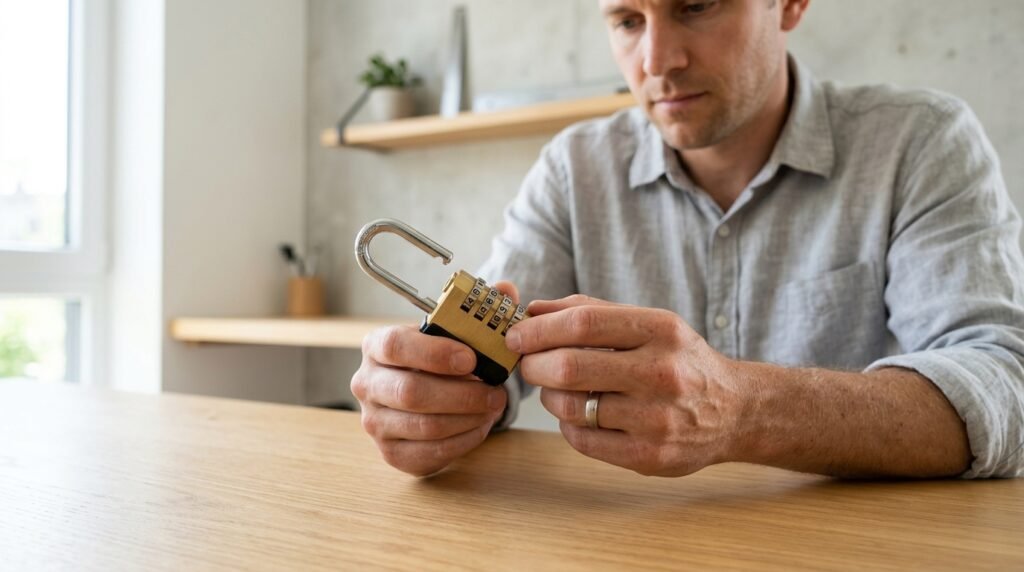
People must pull the shackle of a standard padlock upward and then turn it until it reaches the “notched” position before they can lock it. The user should first hold the device before moving the dials to their selected number and then they should release the device to establish their new configuration.
The “Set and Snap” Technique
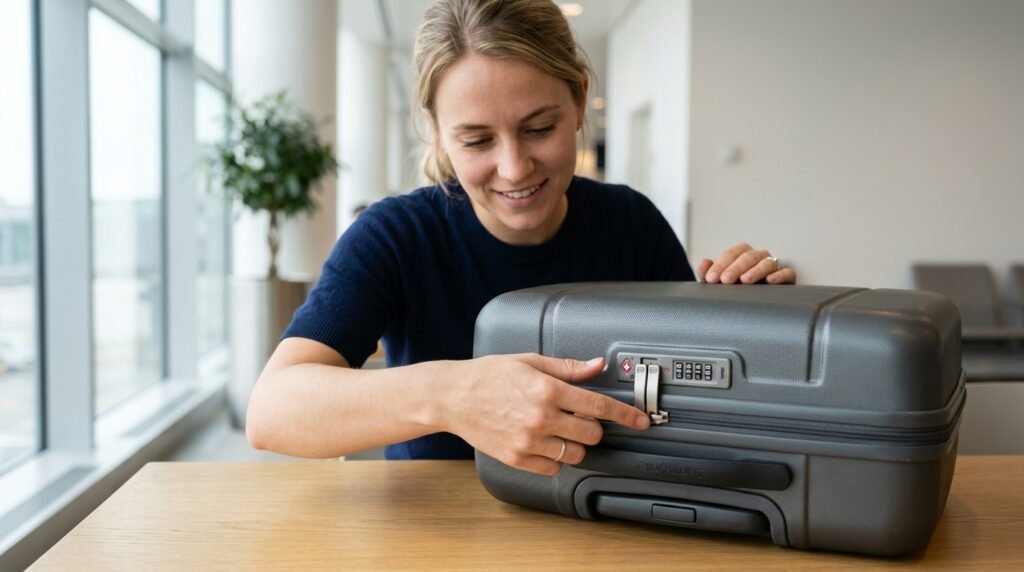
The main latch should be pulled or the large button should be pushed after you finish aligning your new numbers. The custom code becomes active and operational when the reset button starts to pop back out and the shackle produces a clicking sound.
The “Significant Year” Strategy
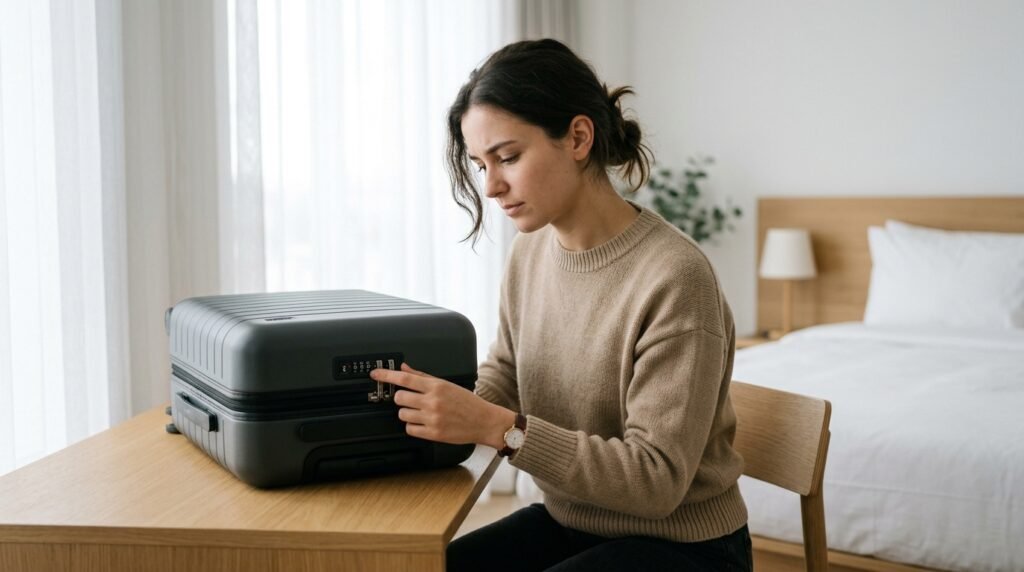
People should avoid using either 0-0-0 or 1-2-3. People should select a year that has personal significance to them which can include the year of their favorite film release or the start of their ideal professional position. The number exists as a permanent memory in your mind which no unfamiliar person can deduce.
The “Contact Sync” Hack
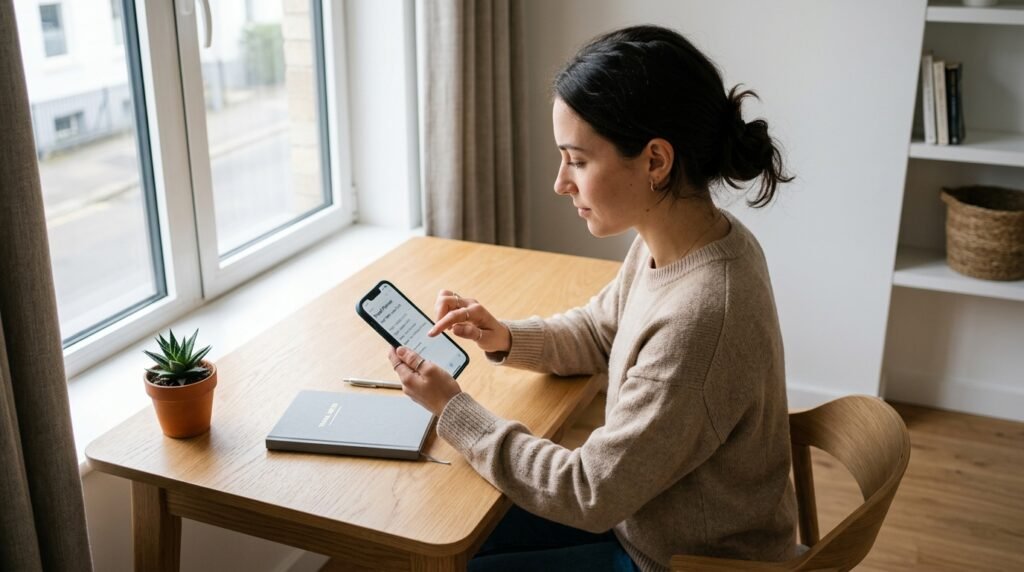
You should create a fake contact named “Lulu Lock” or “Baggage Bob” which will prevent you from forgetting and your 3-digit code should be entered into the “Notes” field or in the “Last Name” area. The information exists in open view but only you possess knowledge of its significance.
The “Photo Proof” Backup
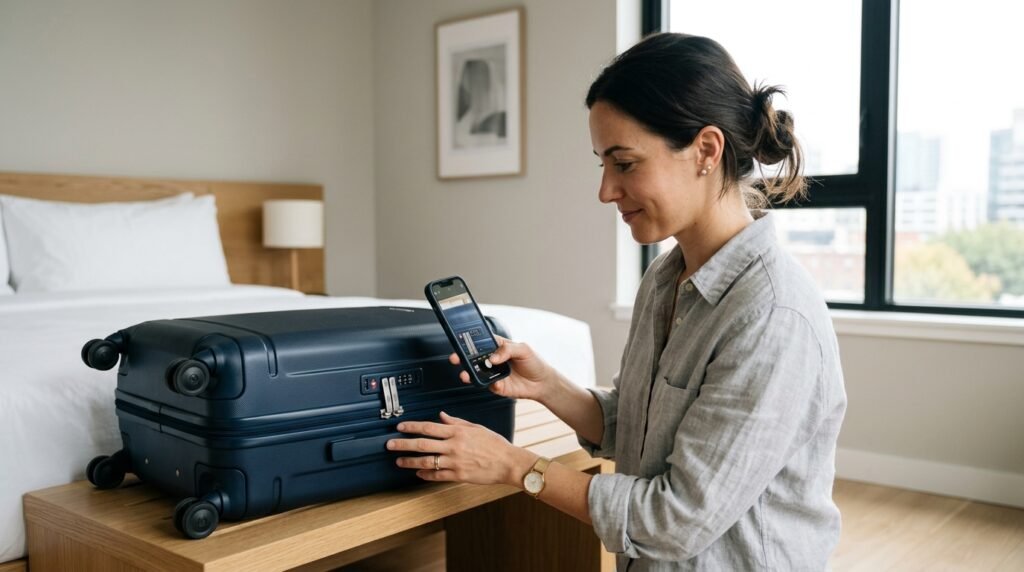
People should take a quick picture of their dials after setting them up and then store the photo in the “Travel” folder of their gallery. Your photo collection will help you during times of jet lag and mental blankness because it allows you to look through your stored images.
The “Physical Reminder” trick
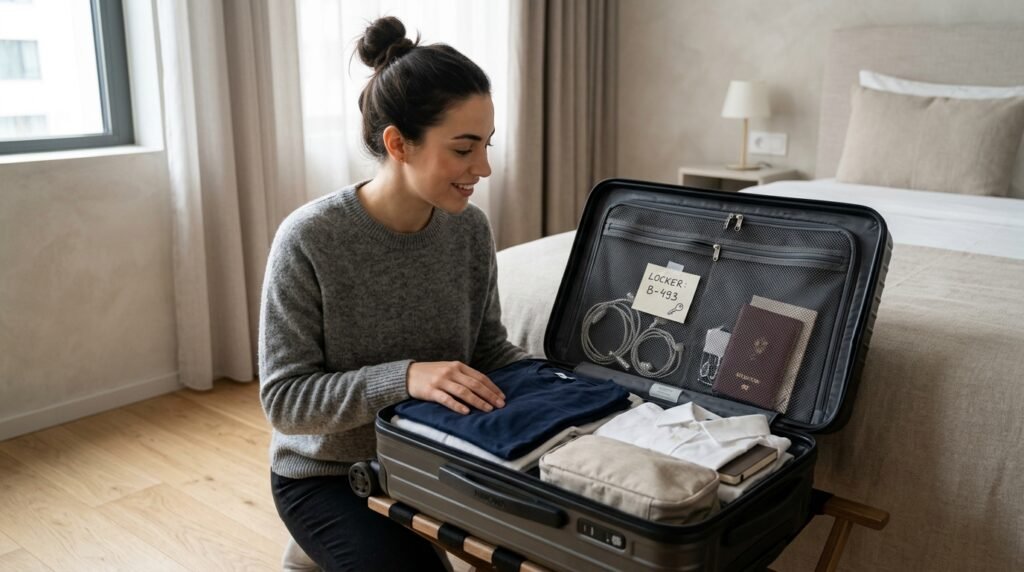
The user should write their code on painter’s tape and then place it inside their shoe or luggage tag base. The system provides a basic storage solution which remains operational even when your phone loses its power during an airplane trip.
The “Test Drive” Rule
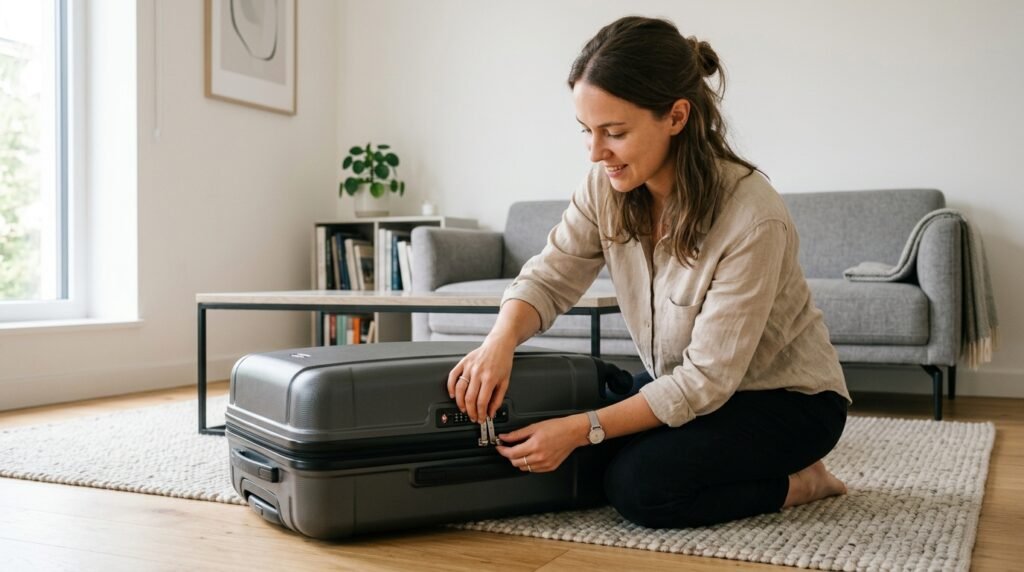
You should avoid locking your bag when you arrive at the airport for the first time. You must practice your new code at home by entering it three times while your bag remains empty. The training program develops muscle memory skills while checking operational status for the mechanism at its full capacity before actual pressure testing begins.
The “Reverse Chronology” Trick
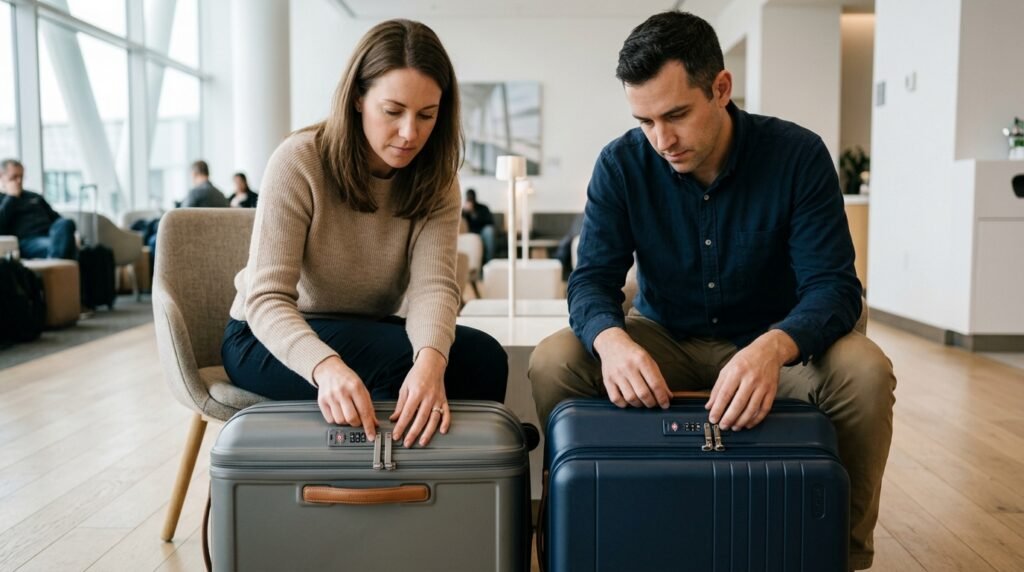
People who have several bags should use their code while reversing the code for their second bag and the code for bag A should be entered as 4-5-6 while the code for bag B should be 6-5-4. The mental pattern provides you with an easy way to synchronize all your luggage items.
The “Digital Vault” Method

You should keep your codes in a safe location by using either a password manager or a secure note application. The hotel business center allows you to access your account from any device after you misplace your phone and retrieve your combination within a few seconds.