 Harper Anderson
 The sacred spaces of India serve as religious sites which enable visitors to experience the cultural and historical core of the country. The temples of India possess distinct characteristics which express religious devotion through their different architectural styles that extend from oceanfront royal palaces to peaceful mountain shrines. The nine locations listed here serve as essential destinations which provide visitors with both peaceful experiences and the opportunity to appreciate human artistic achievements.
The Golden Spire of Dwarkadhish
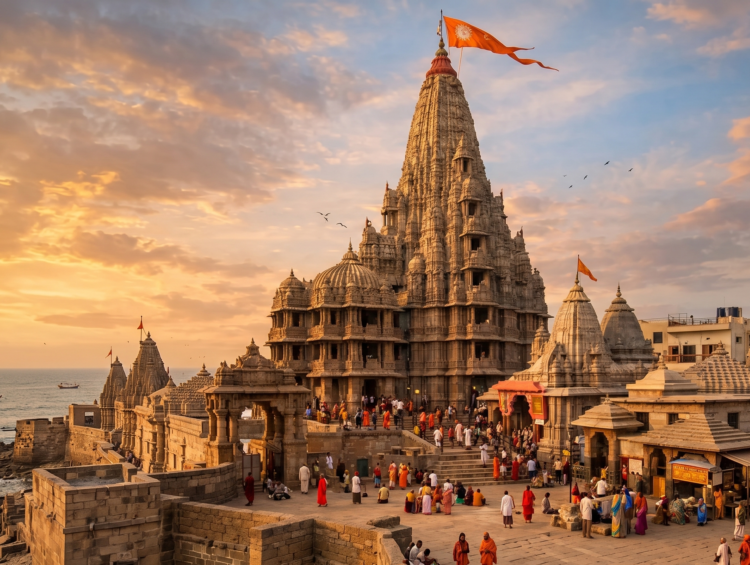
The temple located in Gujarat stands on the location where Krishna established his historical kingdom according to ancient records. The 52-yard flag stretches over the Arabian Sea which enables visitors to experience the complete historical load of this site. The location comes alive through its salty sea breeze and bell chimes which create an authentic atmosphere of the “King of Dwarka” legend.
The Healing Hug of Banke Bihari
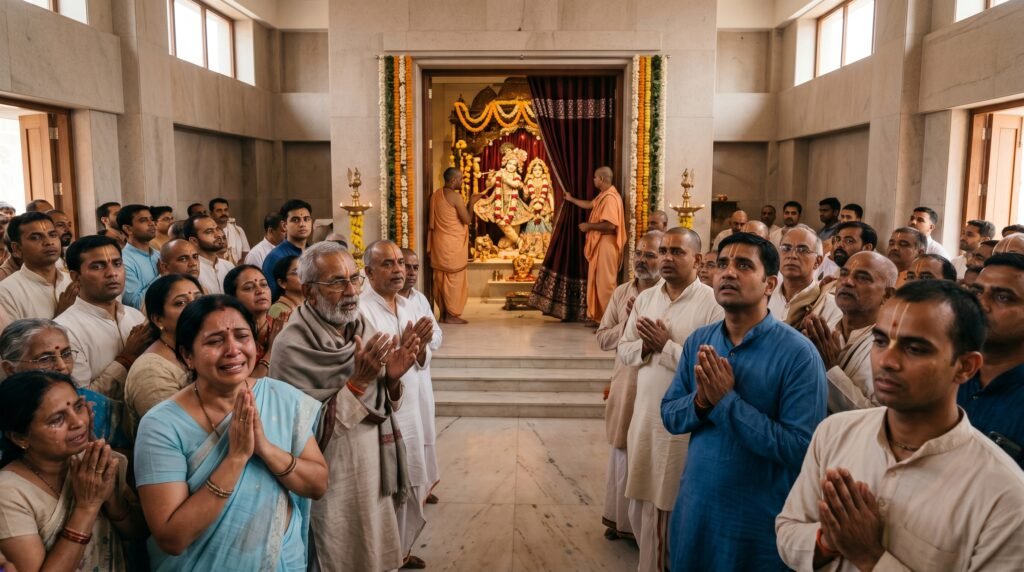
This temple located in Vrindavan provides visitors with an experience which nobody else can match and the temple lacks noisy bells yet the priests show respect to the deity by opening and closing the curtain throughout their worship. The “jhanki” allowed devotees to experience their deep love for the Lord in a personal and emotional way.
The Royal Feast at Shrinathji
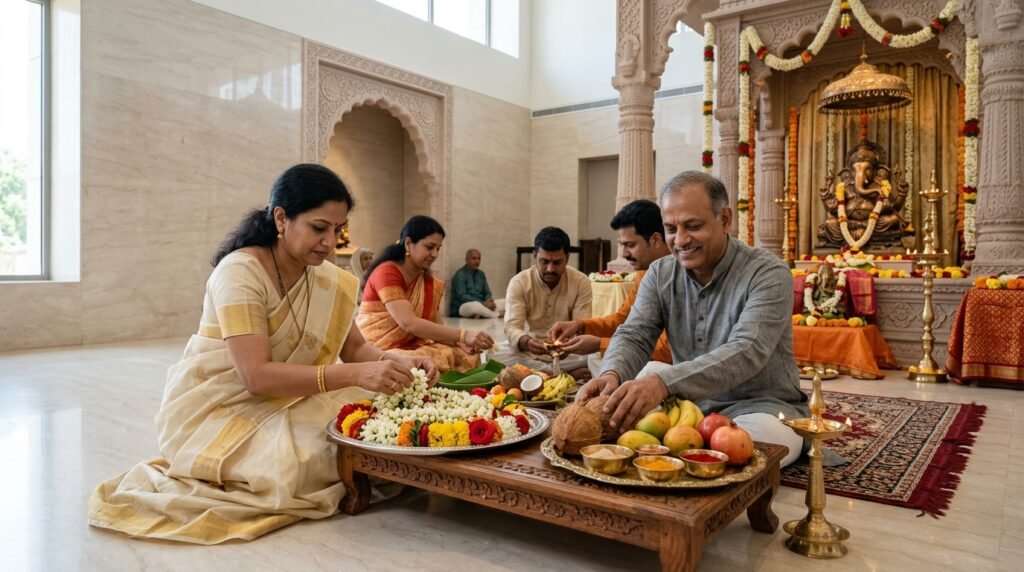
The temple establishes Krishna as a current royal figure who receives royal treatment every day in Nathdwara, Rajasthan. His daily schedule includes taking care of his eating and resting needs. The local artists who create “Pichwai” paintings demonstrate how one temple keeps the artistic traditions of the entire community alive for hundreds of years.
The Ocean Breeze of Jagannath Puri
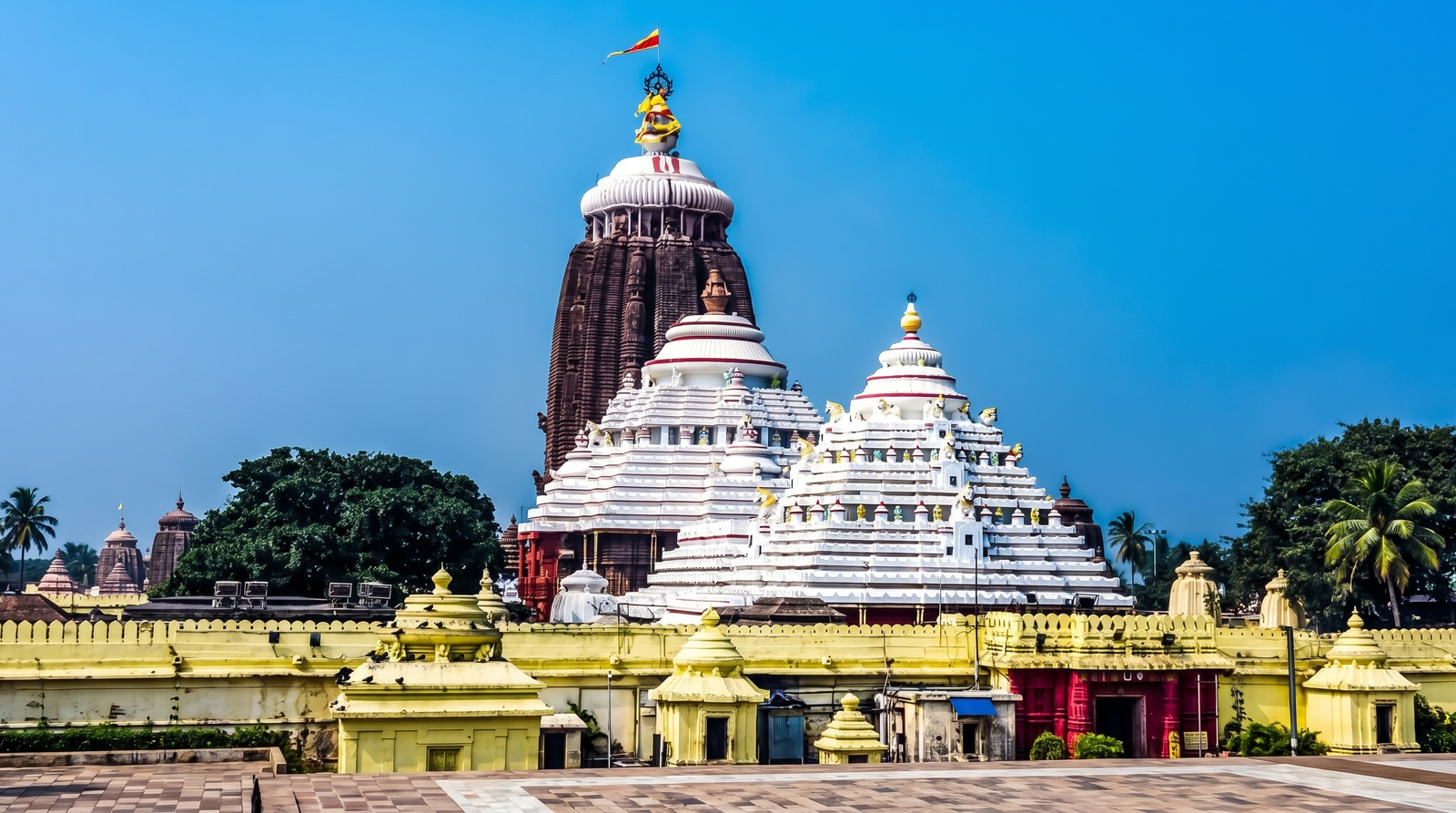
The temple of Odisha is famous for its giant chariot festival which attracts large crowds to its sacred grounds and the temple displays a real life mystery through its “Sudarshan Chakra” which seems to follow your movements throughout the entire urban area. The symbol represents a protective power which remains watchful over everything.
The Flute’s Echo at Guruvayur
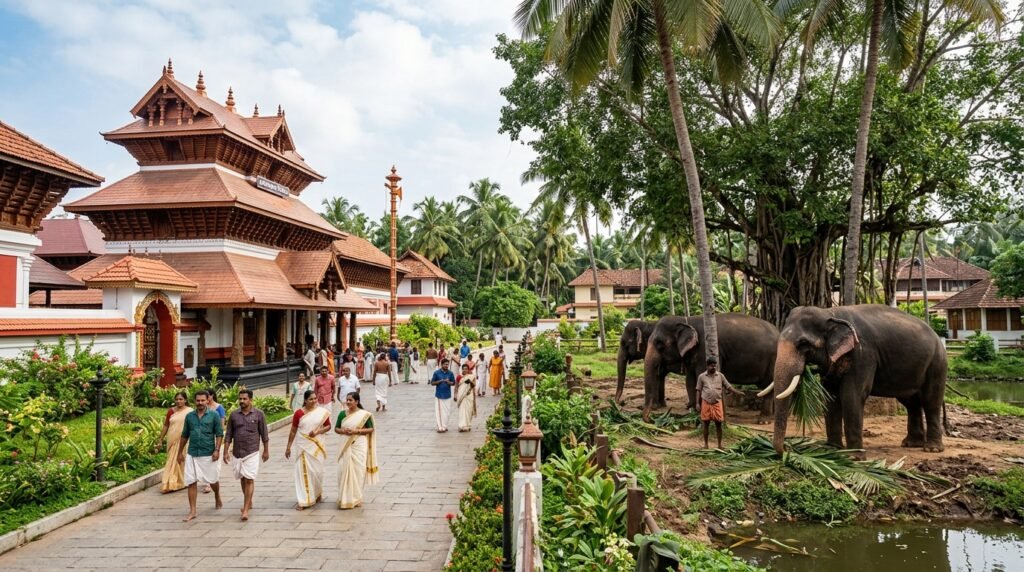
The “Bhuloka Vaikuntha” in Kerala features traditional wooden buildings which provide a sanctuary for more than 50 elephants and the Lord’s caretaking of the gigantic tuskers creates a permanent spiritual space which enhances the area.
The Hillside Peace of Udupi
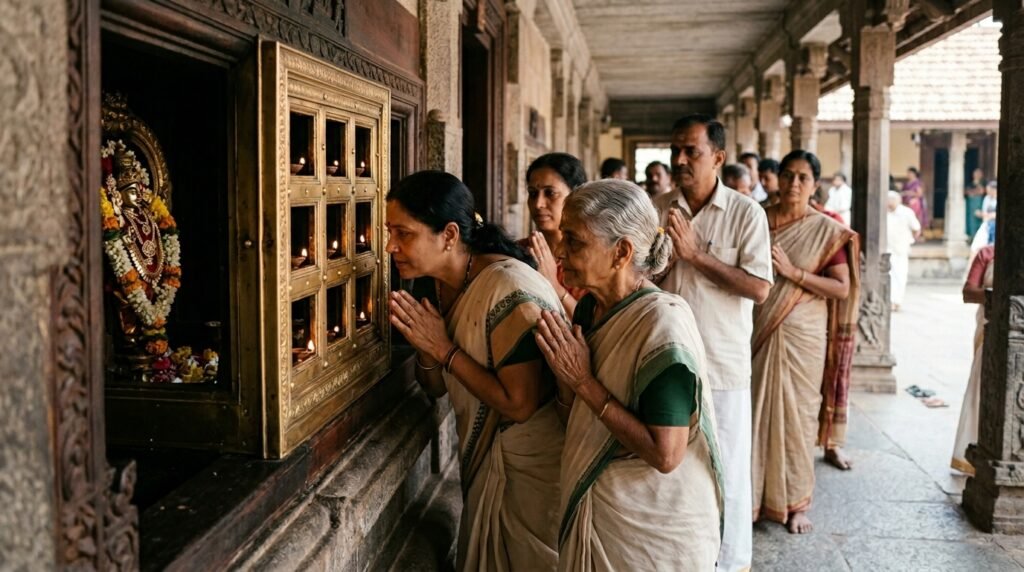
The sacred window of Kanakadasa in Karnataka allows devotees to see the divine through its nine silver-plated openings. The statue did an unexpected turn when it faced the poet who had to stay outside because of his religious restrictions. The message shows how genuine hearted people always discover their way into existence.
The Marble Wonder of Prem Mandir
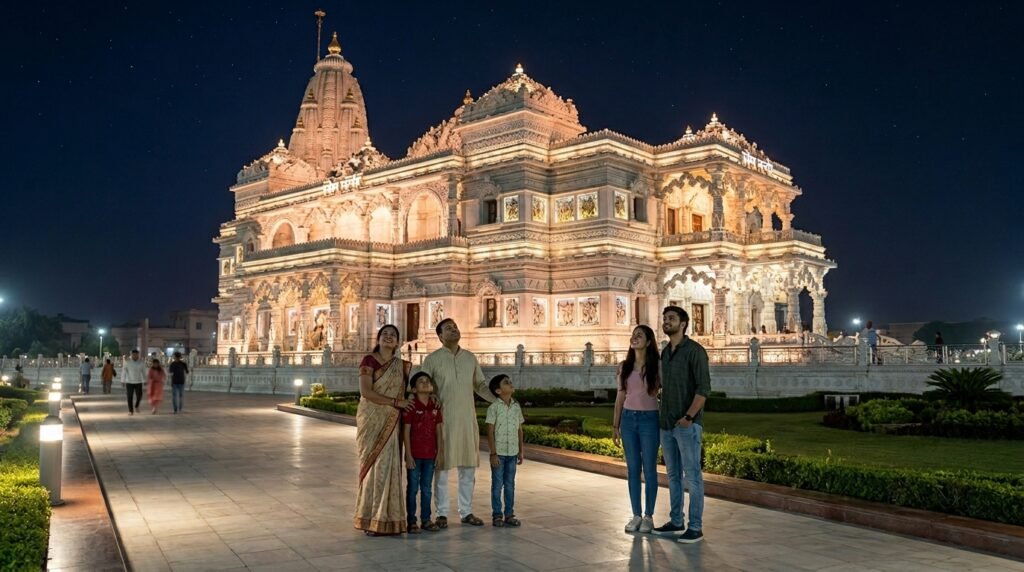
The Vrindavan masterpiece requires modern methods to create its white Italian marble building materials which form its entire structure. The temple transforms into a glowing space which displays vibrant colors while its detailed carvings of Krishna’s life appear to float in space. The bridge connects two different worlds by joining ancient storytelling with current beautiful designs.
The Sacred Soil of Gokul
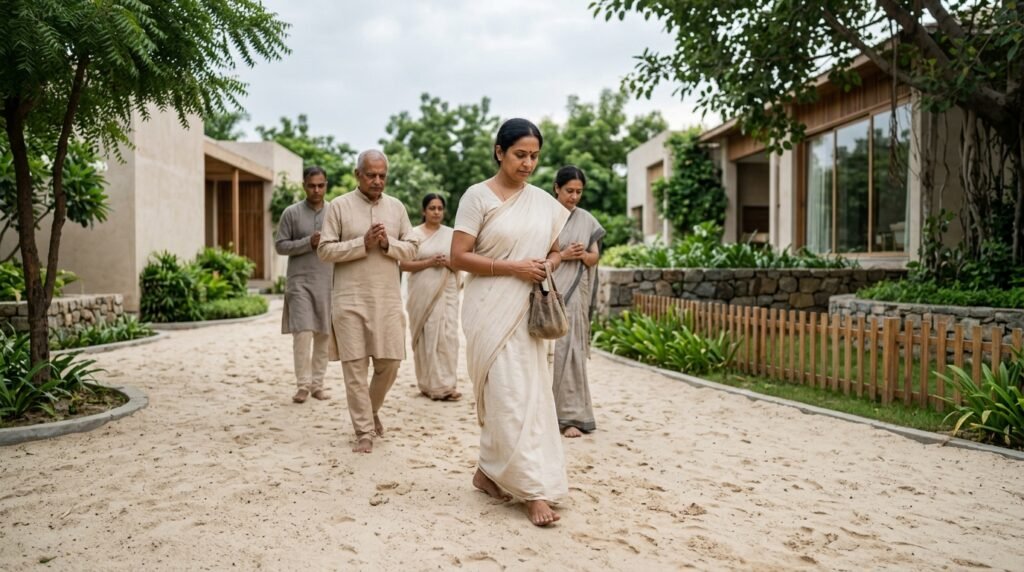
The Raman Reti area of Gokul allows visitors to experience Krishna’s childhood through its soft sandy beach which comes from ancient times. Visitors to the beach experience pure childlike joy through their rolling activities. The experience brings people to a basic state which removes all burdens that come from adulthood.
The Blue Beauty of ISKCON Bangalore
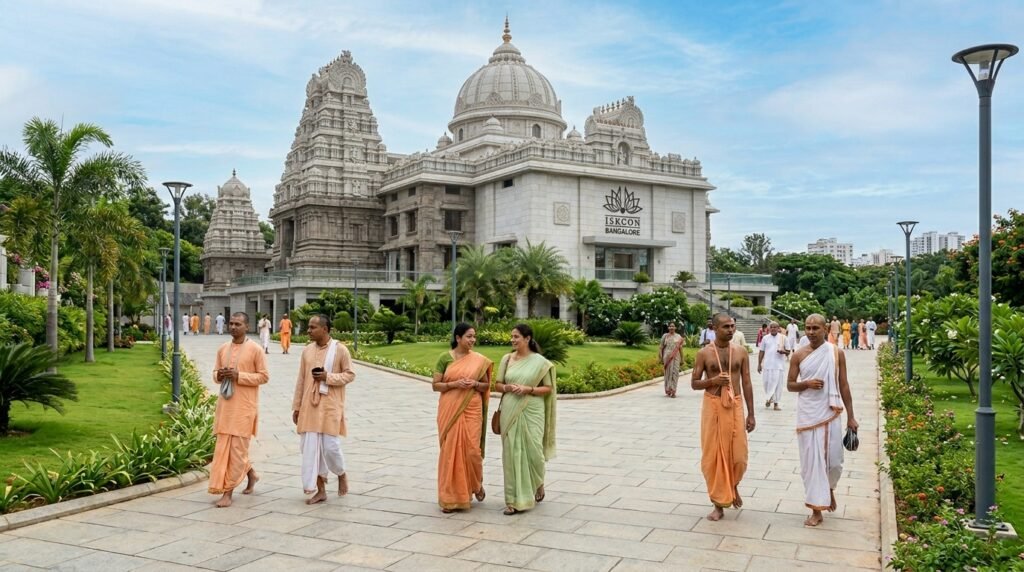
The temple creates a cosmic and peaceful atmosphere through its combination of glass materials and natural plant life. The location provides advanced facilities which support maintaining traditional chanting so students and elderly people can share their spiritual journey together.