 Harper Anderson
 The security measures for international travel have reached their most strict state and this has led to vacation disruptions which travelers did not expect from small technical issues. Your passport needs to fulfill particular physical and legal requirements together with having valid ID, which enables you to cross border checkpoints. You can avoid boarding gate rejection by understanding the rules which authorities consider to be hidden from public knowledge.
The Six-Month Validity Rule
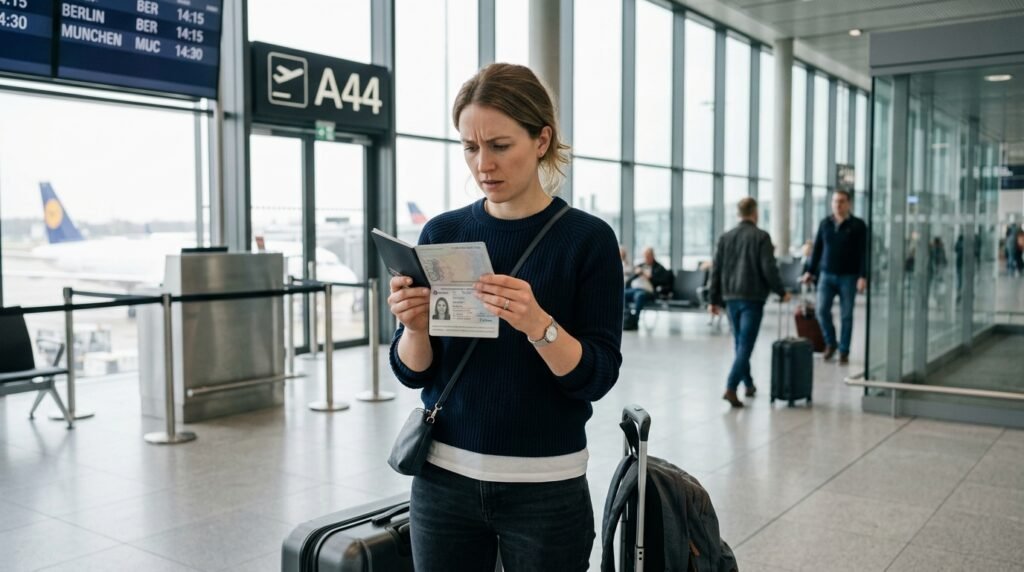
Many countries, including Singapore and much of Europe, will not let you enter if your passport expires in less than six months. The passport needs to remain “active” but people should not use it for entry when it approaches its expiration date, which applies even to one week of travel.
The Blank Page Requirement
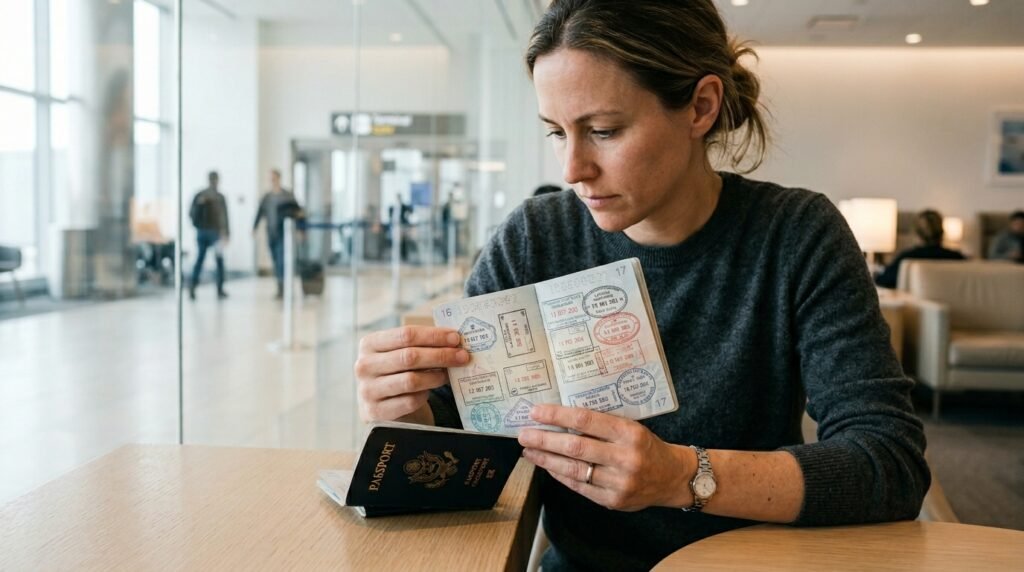
It isn’t enough to have an unexpired passport; you need physical space for stamps. South Africa and several other nations require at least two entirely blank, “unstamped” pages. The authorities will refuse you entry when your booklet contains old stamps, even though you possess a valid document.
The “No Selfies” Background

The background of your photo needs to be plain white or off-white though the instruction sounds like a suggestion. A traveler faced entry denial when their “white” wall shaded, which created a facial recognition software error during identification.
The Damage “Death Sentence”
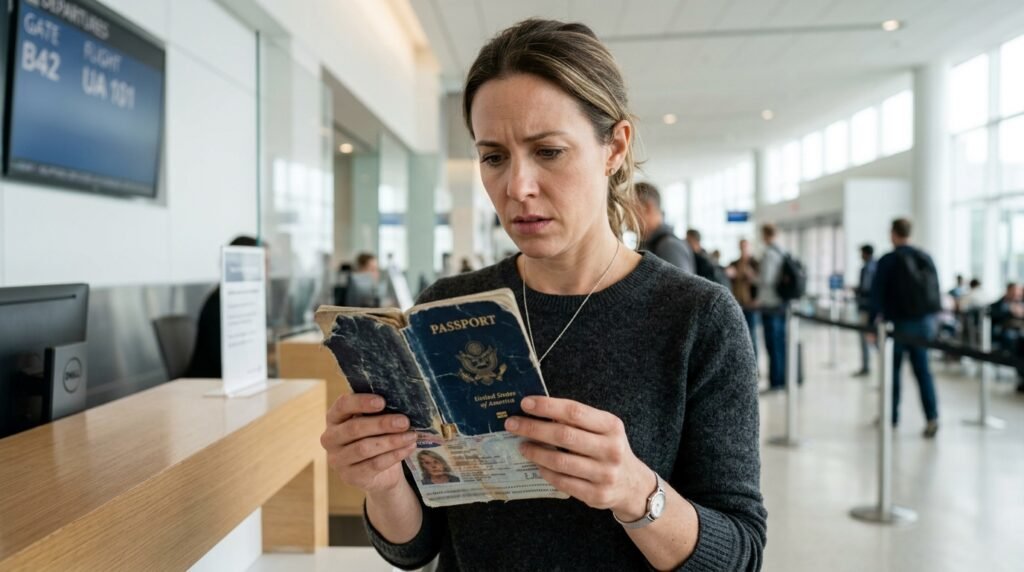
A small tear on a page or a water stain on the cover can invalidate your entire passport. Airlines suspend boarding for travelers whose documents show “significantly frayed” borders because this condition indicates possible document alterations.
Significant Appearance Changes
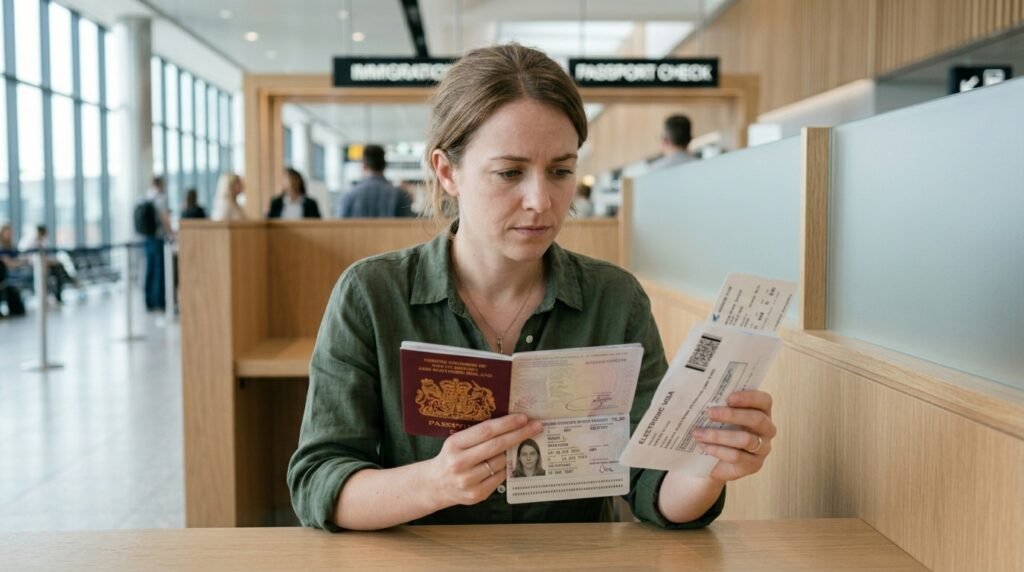
You need a new passport when your facial surgery changes your appearance, your face tattoo becomes very large, or you experience extreme weight loss. Border agents use “biometrics,” and if your current face doesn’t match the digital map of your photo, you could be detained.
No Uniforms or Camouflage

You cannot wear a uniform or anything that looks like military camouflage in your photo. The rule exists to maintain traveler appearance as private citizens. This prevents people from being mistaken for government employees who conduct official work during their international travels.
The Name Match Strictness
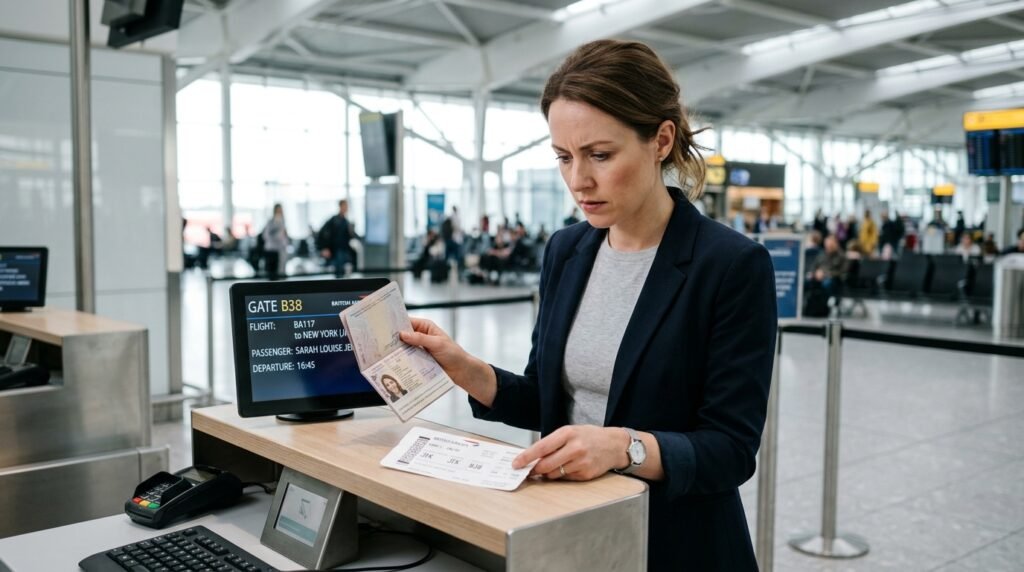
If your ticket says “Jonathan” but your passport says “John,” you might not fly. The booking systems and security databases of modern times require customers to match their identity exactly through character-by-character identity verification.
Unofficial Souvenir Stamps
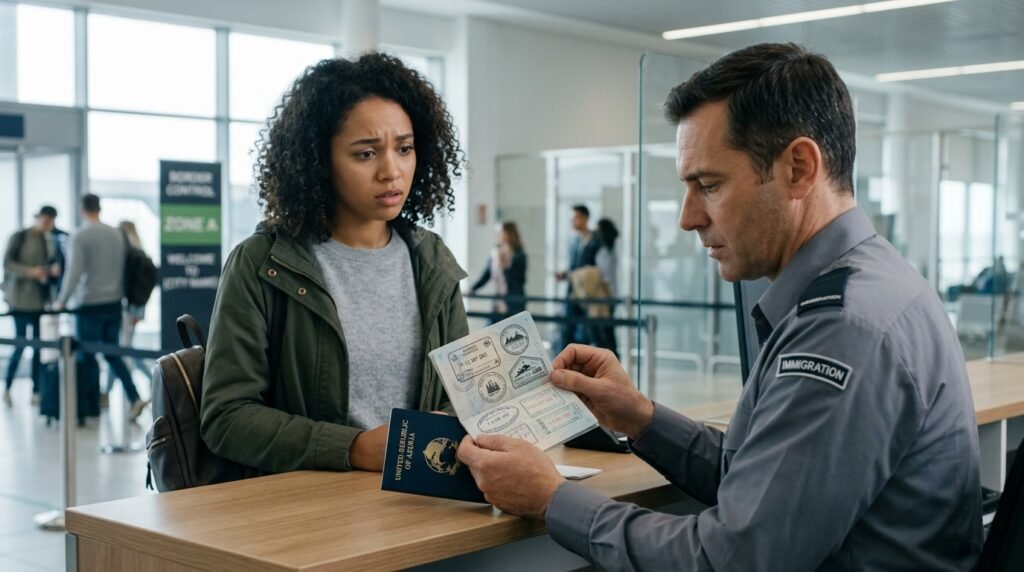
Getting a “fun” stamp from a place like Machu Picchu or Checkpoint Charlie in your official passport can actually make it invalid. The border authorities will confiscate your document when they find official alterations because the passage contains stricter rules than the informal adjustments.
The “Joint Passport” Phase-Out
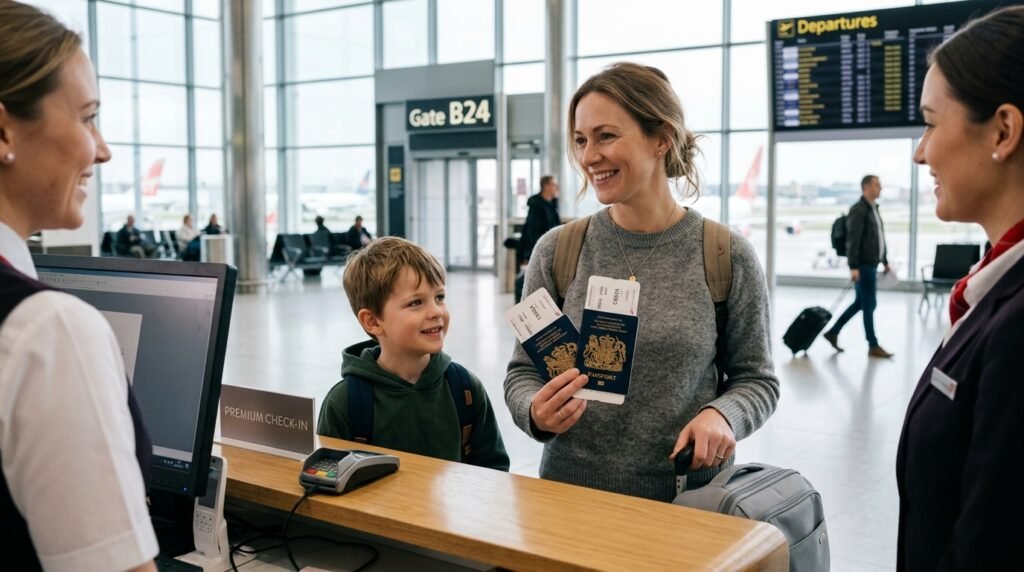
In the past, children could be listed on a parent’s passport. Every country now demands that people travel with their own passport which contains their own identification details. Each traveler needs to carry their own travel document and identification photo, which applies even to newborn infants due to international travel regulations.
Loose or Peeling Laminate
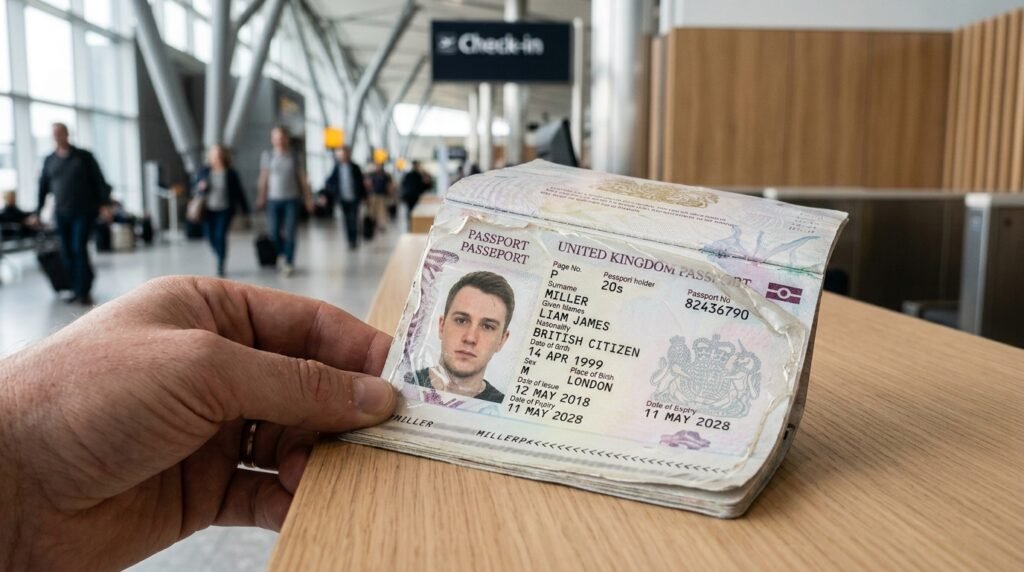
The thin plastic film over your photo page is a high-security feature. The passport becomes “damaged” when its outer layer starts to peel from the corners because the document no longer protects against photo-substitution scams.