 Harper Anderson
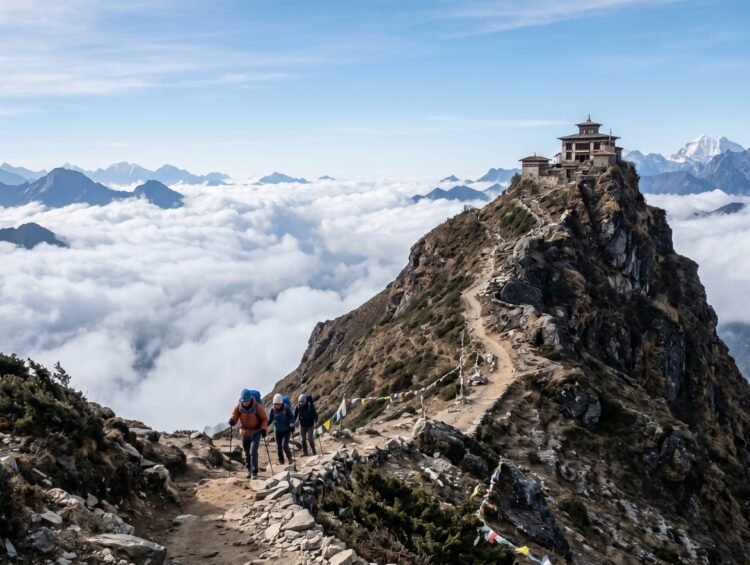
 The solemnity of a sanctuary becomes more powerful when people must travel a lengthy distance on foot to reach the site. In India, spiritual seekers have ascended from ancient times to present day thousands of steps to reach the “cloud-touching” temples located in regions where the atmosphere becomes thin and everything remains completely silent. Nine mountain temples remain as the most stunning displays of human dedication which people constructed in locations where modern machinery has yet to achieve access.
Kedarnath, Uttarakhand
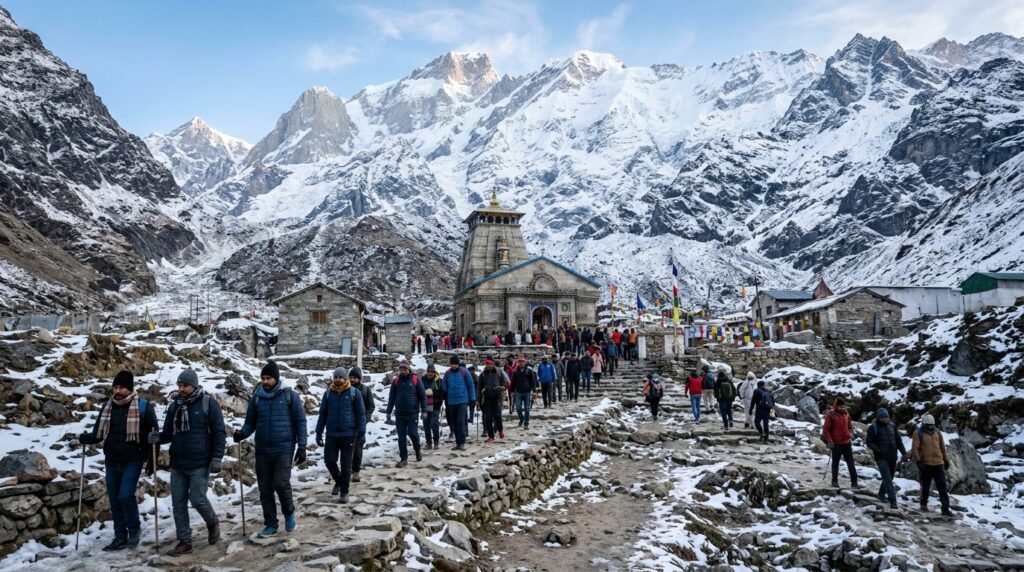
The ancient stone temple located within the Himalayas becomes accessible only through a 16-kilometer uphill trek which leads to its high-altitude positions and all building supplies and food need to be brought to the site using mules and courageous porters because there are no motorable roads which makes each visit requires actual physical endurance to complete.
Madmaheshwar, Uttarakhand
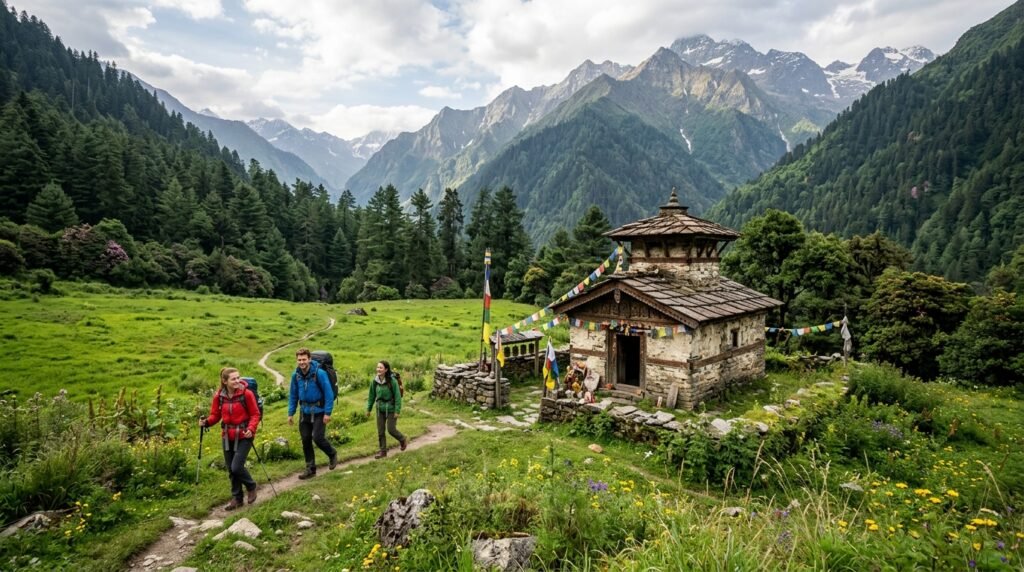
This temple, which belongs to the famous Panch Kedar group, sits in a meadow that exists only through a two-day hike from dense emerald forests. The location creates a unique tranquil environment which only permits wind and faraway bells to enter while keeping all vehicle sounds completely outside.
Tungnath, Uttarakhand
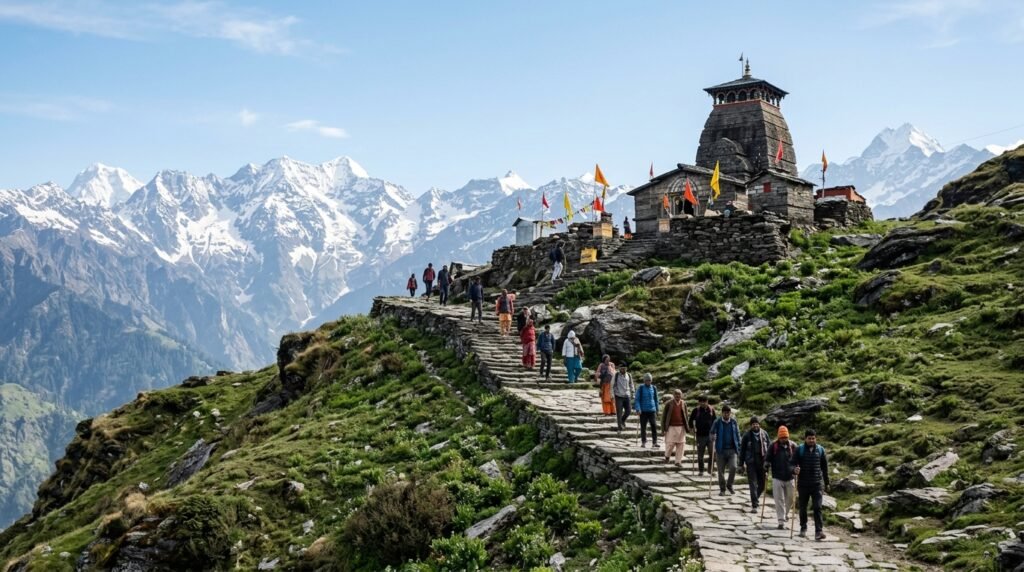
Tungnath is the highest Shiva temple on Earth which people can access through a steep path that goes up through alpine meadows and cars cannot drive up the mountain because the area has thinner air and higher altitudes which protects the mountain from all but birds and people who walk.
Hemkund Sahib and Lakshman Temple
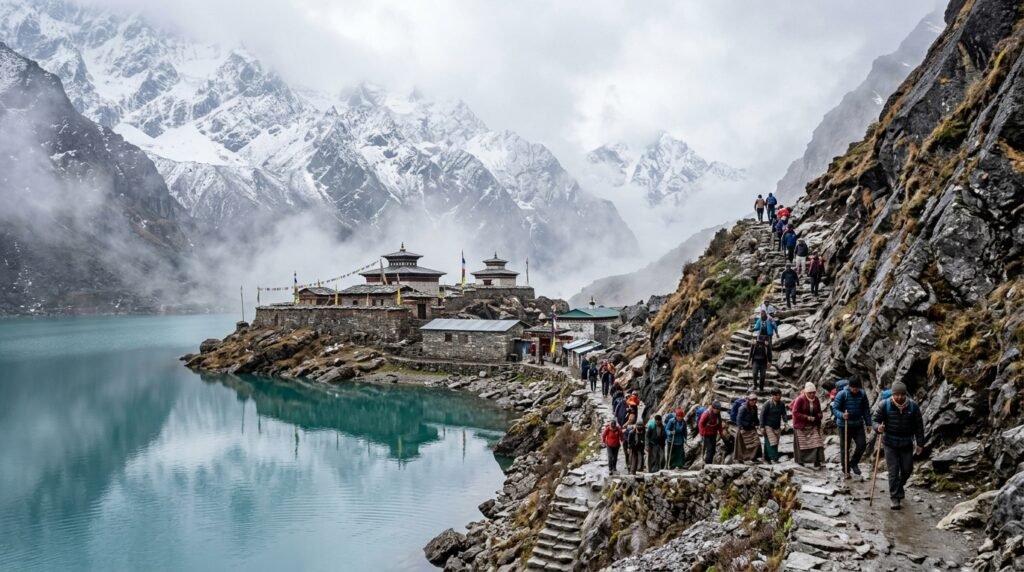
The site exists beside a glacial lake which needs visitors to complete an uphill climb that follows a legendary route. People have yet to establish roads because the area contains extreme vertical paths and unpredictable weather conditions. Pilgrims ascend above the clouds while walking together to share their stories and provide each other with support.
Anjaneri Hill, Maharashtra
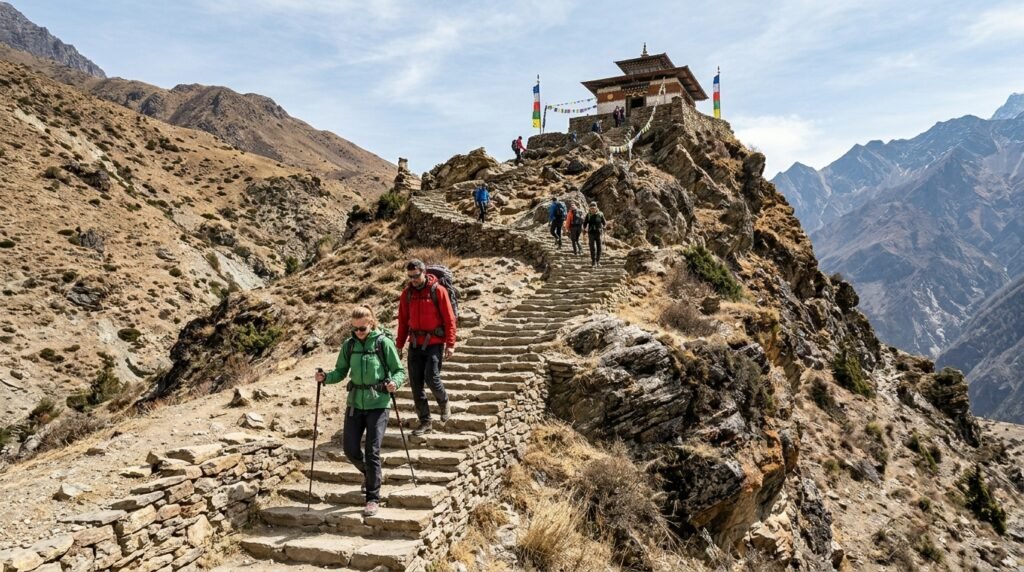
The temple which exists at Lord Hanuman’s believed birthplace requires visitors to trek through rough rocky landscapes and ascend steep steps which have been specifically carved into the mountain. The absence of roads turns the entire climbing process into a natural experience which helps climbers achieve their meditation goals.
Shikharji, Jharkhand
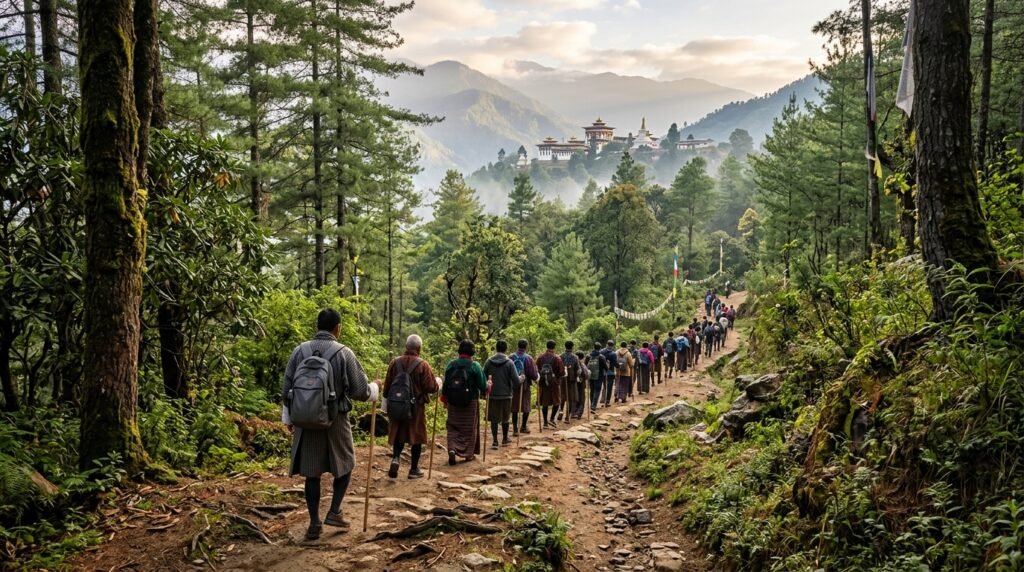
The sacred peak contains multiple temples which stretch along a 27-kilometer trekking route. The only way for people to reach higher areas involves walking or being transported in traditional chairs because the holy hills exist as a site which only allows pedestrian access.
Parvathamalai, Tamil Nadu
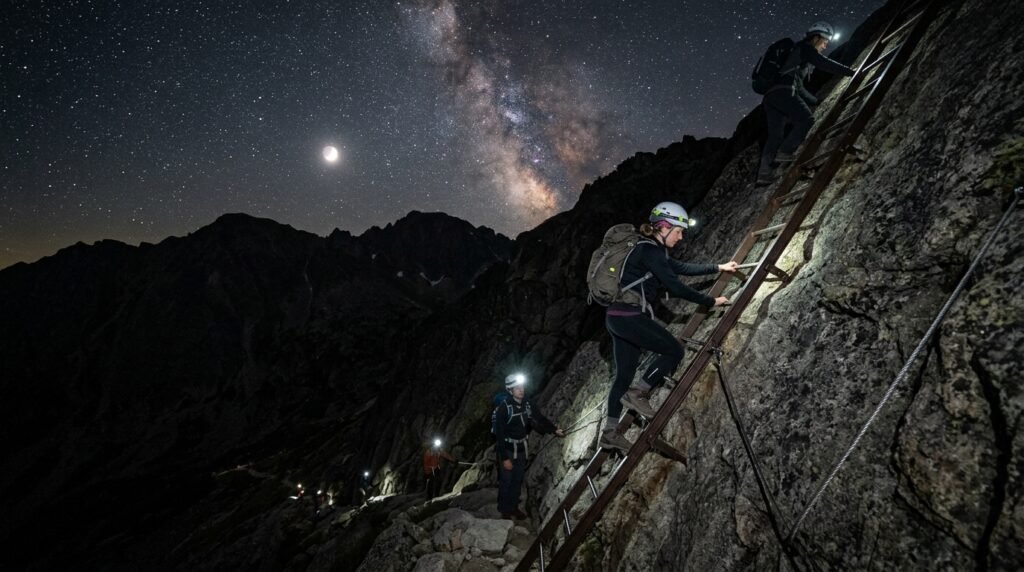
The mountain temple known for its night treks requires visitors to ascend both vertical ladders and steep rock faces; the hikers need- to travel to the summit using moonlight and stars because no road extends to the top.
Kartik Swami, Uttarakhand
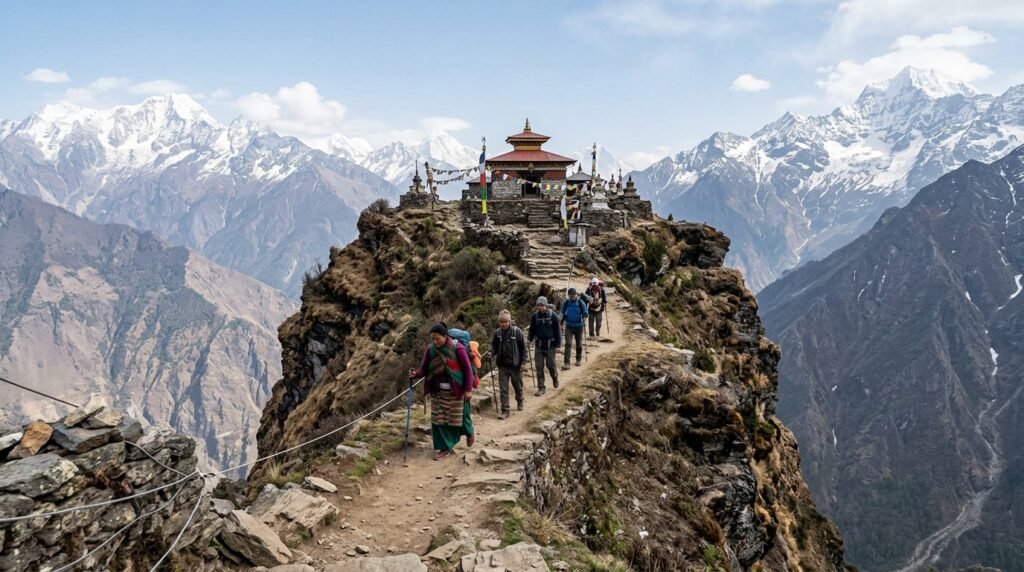
The temple which exists on a narrow ridge provides complete Himalayan views through a beautiful trail which leads through rhododendron forests. The last section of the climb consists of a thin staircase which creates a deadly drop area that prevents cars from parking.
Khatling Glacier Temples
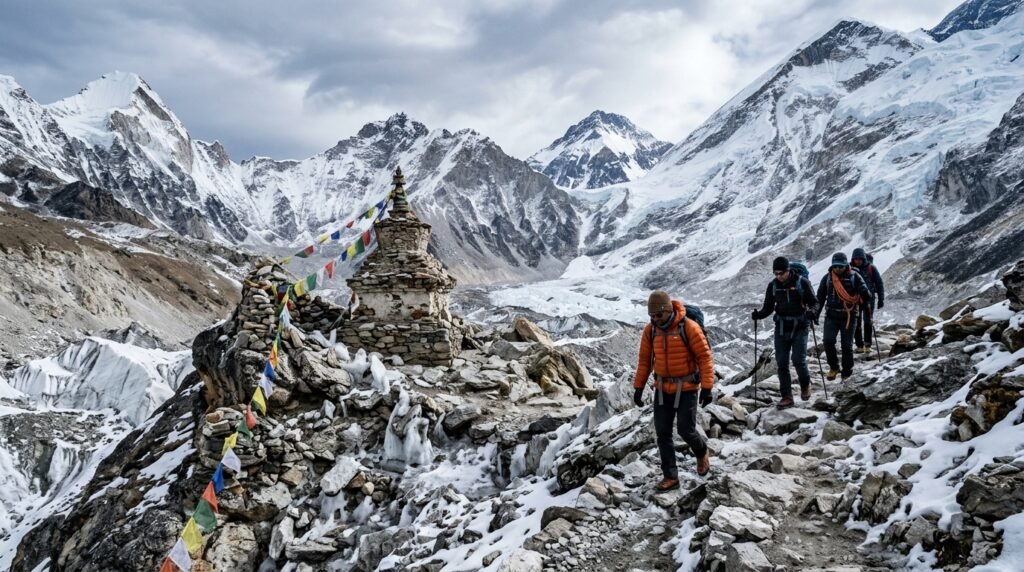
The remote shrines located close to the Bhilangna River’s source represent the most extreme entry point on this list. Visitors need to carry out a multi-day expedition which involves crossing ice and boulders because the location exists beyond all modern infrastructure.