 Harper Anderson
 The Belapur-Khidderpore railway link in West Bengal holds a unique and quiet place in India’s massive rail network. The area operates like an active museum because most train stations display the nonstop sound of engines and the daily arrival of thousands of passengers. The area remained peaceful while its history showed how colonial planners and modern national needs functioned. Let’s discuss it all in nine points.
A Connection to the Past
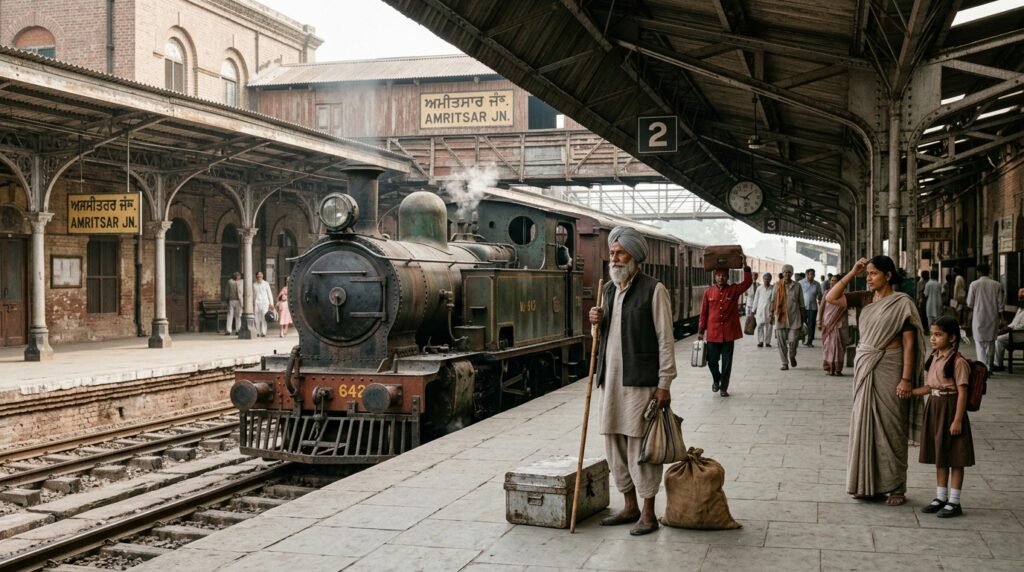
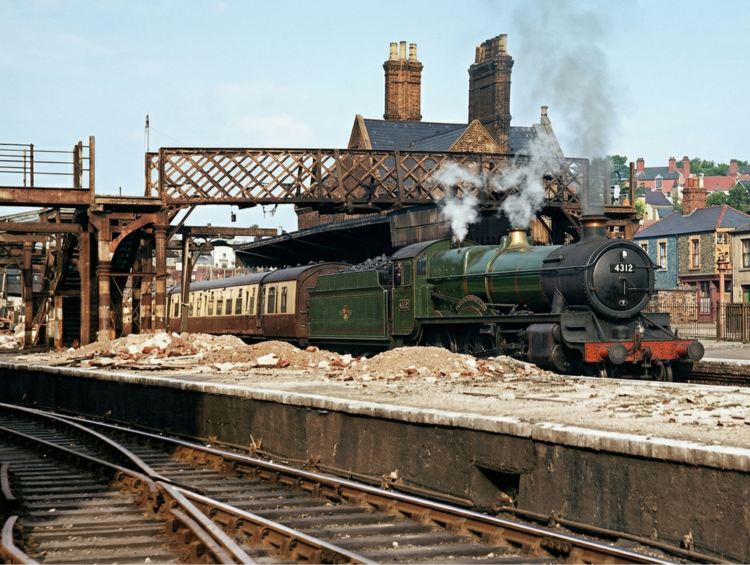
The British built the station to transport essential coal and timber which created an industrial facility that never needed the busy platforms and ticket counters found at major cities like Kolkata and Delhi.
The Twice-a-Year Tradition
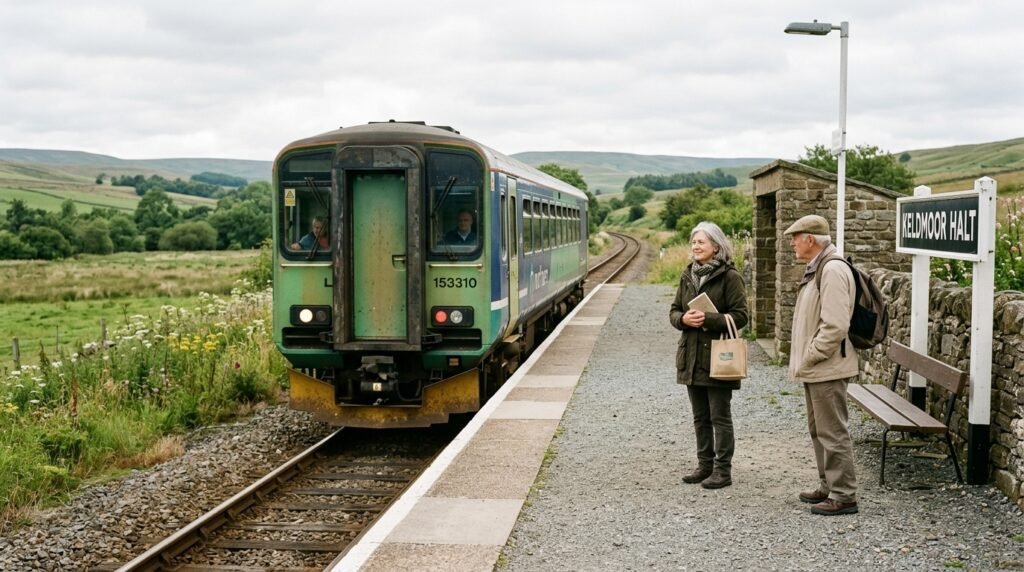
The station only operates two trains each year. The two scheduled movements of the station serve operational purposes because they typically include track maintenance trains and inspection trains used by railway inspectors to assess track and equipment conditions.
Preserving the Right of Way
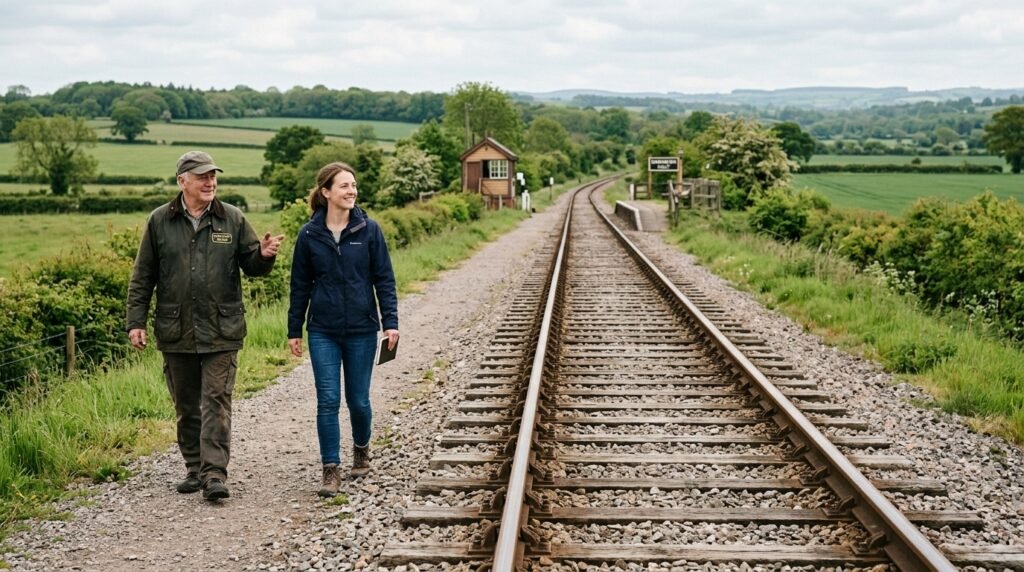
Railroads maintain low-traffic routes because they need to keep their land rights active. The department operates one train per year to stop the tracks from entering official abandonment status which is very important as it protects the route for future emergencies.
Natural Overgrowth
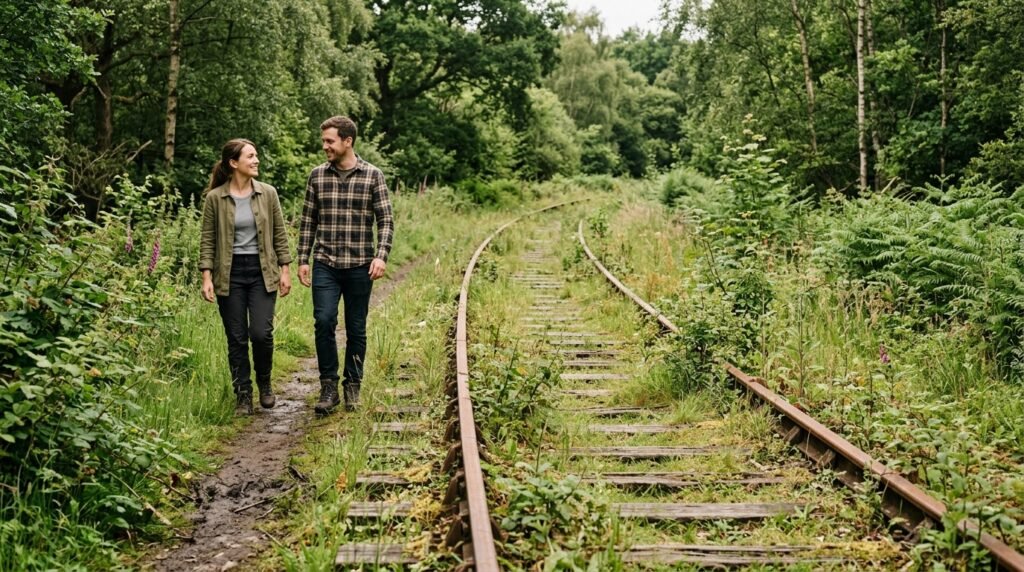
The station creates an abandoned film set appearance because nobody uses the railway tracks. Grass and wildflowers create a green corridor which separates modern railway hubs from concrete jungles.
A Training Ground for Staff

New railway staff receive their training on remote lines while they test train equipment. Workers can practice track maintenance in the safe quiet area because no express train will pass through the area until ten minutes later.
Structural Time Capsule
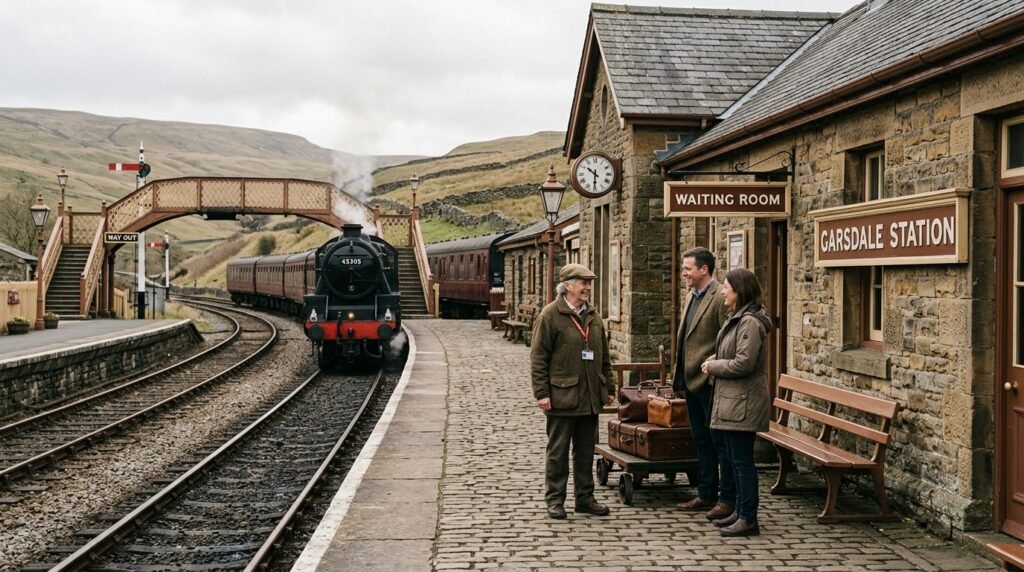
The station buildings have preserved their original design from past decades. High traffic areas require upgrades which prevent visitors from seeing the traditional signaling equipment and masonry that has almost vanished from the entire country.
The Role of Local Watchmen
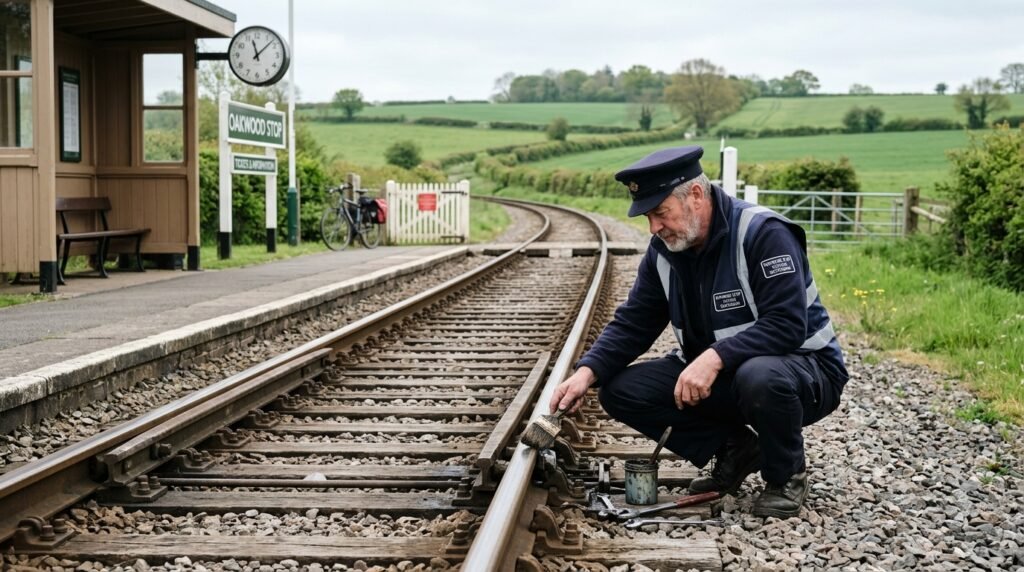
A small crew operates in the area to watch the space despite train operations not happening. The workers usually manage track safety by removing large debris and protecting the small signal hut which stands as a historical landmark. And this historical landmark is an important asset to the local people.
A Haven for Photographers
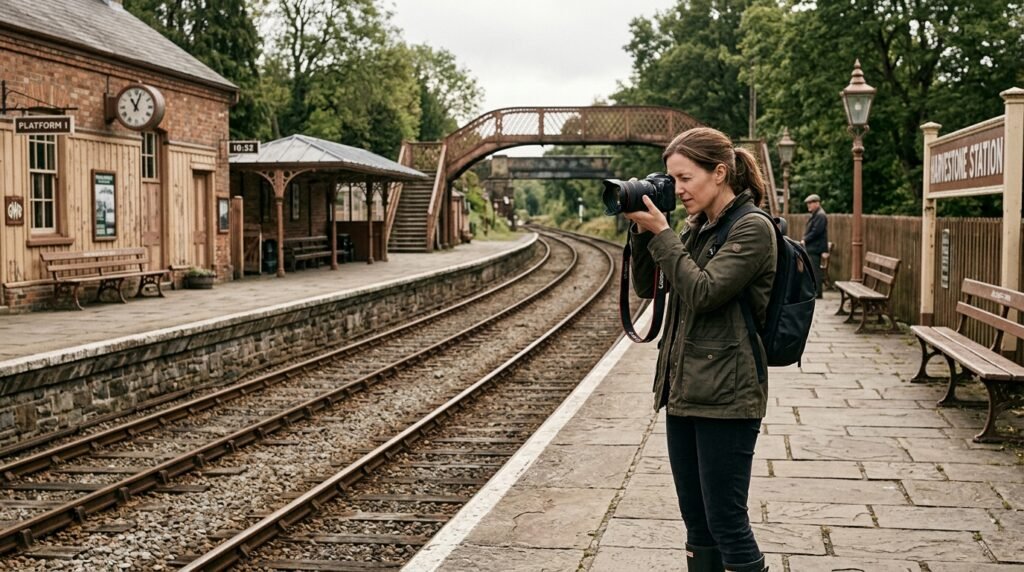
Local historians and photographers consider the area their secret favorite spot for its silent atmosphere and antique appearance. The site provides visitors a special chance to photograph the railway system’s skeleton without encountering the usual Indian rail travel crowds and sounds.
Symbol of Changing Times
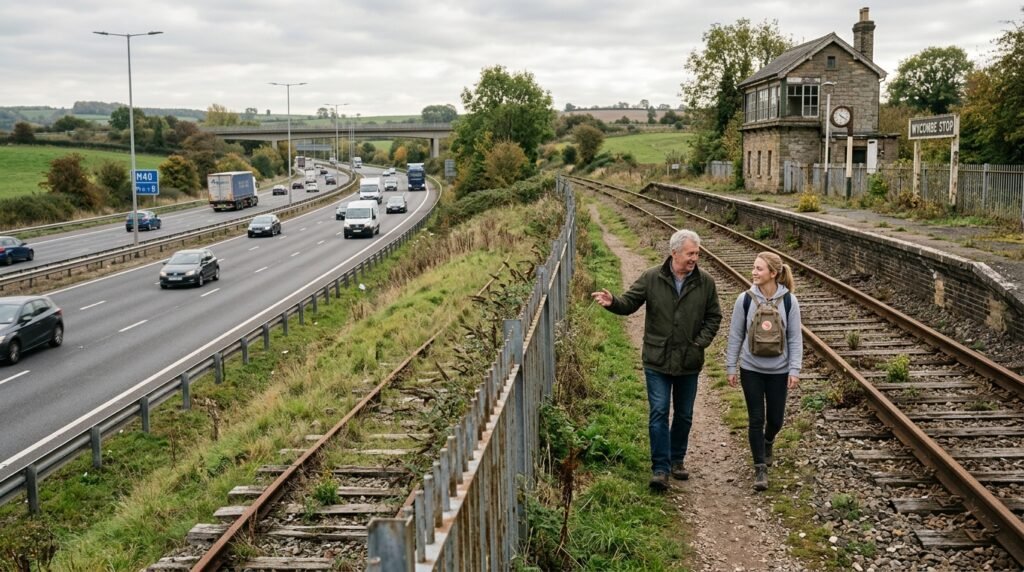
The station serves as a reminder that trade routes move to new locations. The construction of modern highways nearby led to a decline in demand for the rail link which eventually changed a key industrial site into a historic site that only operates twice each year.