 Amelia Taylor
 Jaipur or the Pink City is a canvas of royal history, great architecture and multi-colored traditions. It was constructed in 1727 by a Maharaja Sawai Jai Singh II, and the architecture plan of the city is phenomenal as far as planning and artist perspectives are concerned. Its palaces, forts and ancient streets till now have narrated the stories of heroism, culture and royal grace. In Jaipur, taking the walk, one has an impression that he/she comes to the world where it is ruled by kings that lived in large palaces and worked to create the specific image of the city. And, looming bastions on top of hills are determining the heritage sites of Jaipur that continue to carry the memories of the golden days of Rajasthan in the shape of the window of a palace that now soars over the selling market of Jaipur.
Amber Fort
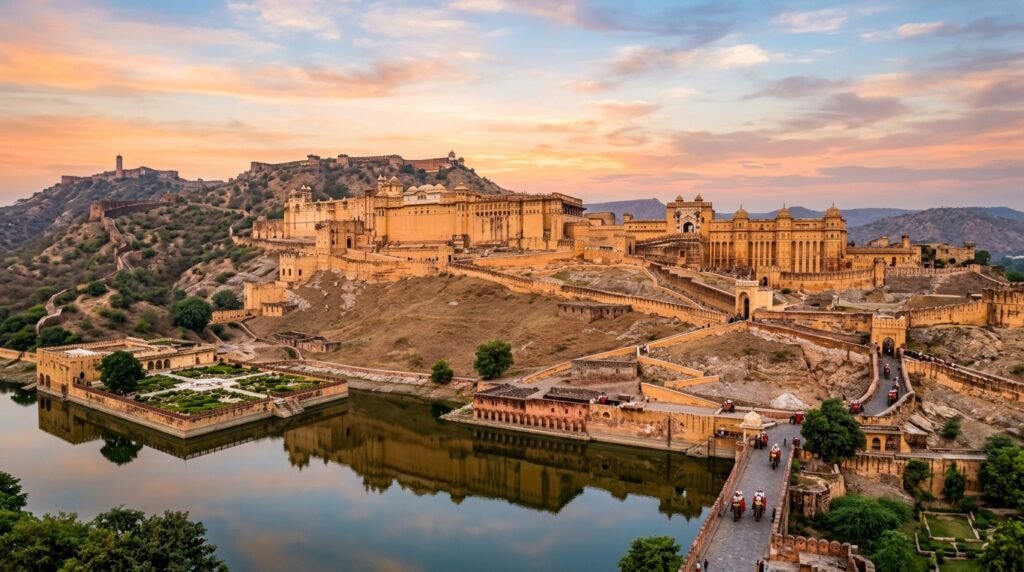
One of the oldest fortifications in Jaipur that is located on the hill over the lake known as Maota is the Amber fort. The fort has been built with the red sand stone and marble edifice indicating the beauty of the Rajput structure. And in it, there are the grandly adorned, finely-decorated court-yards, royal lodges and the genius of the art of the epoch, the Sheesh Mahal. The fort has served as a residence of the Rajput rulers and they cannot be separated with the narration about the life of the royalties.
City Palace
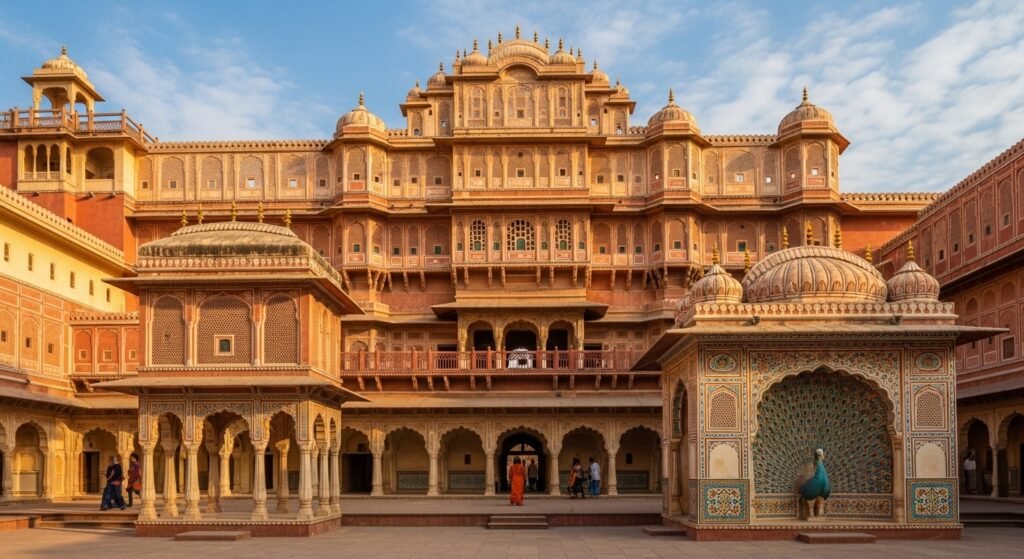
The City Palace is situated in the middle of Jaipur and it represents the amalgamation of the architectural style of the Rajput, Mughal and the European nations. The palace complex consists of the courts, gardens, museums, and royal rooms which were the seat of government and home of the Jaipur rulers. Even today, the royal family still has part of the palace, and it is also a historical location.
Hawa Mahal
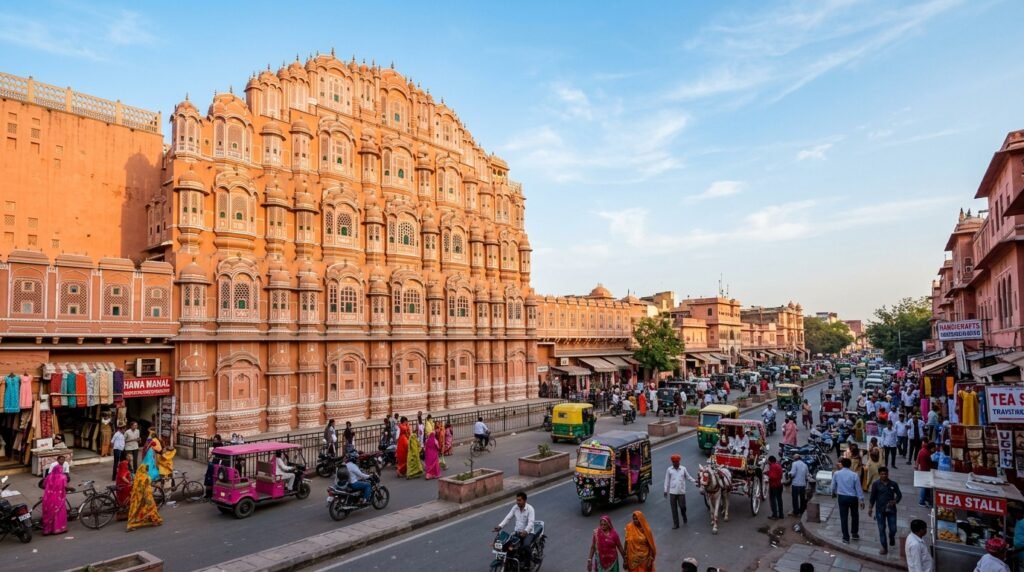
The fine exterior of the Hawi Mahal often called the Palace of Winds can be considered one of the most photographed buildings in Jaipur. It was built in 1799 and has hundreds of miniature windows so that royal females could look at the festivals on the streets without being noticed. It is planned in the shapes of its honeycomb and pink sandstone that is utilized in order to describe the architectural speculation of Jaipur.
Nahargarh Fort
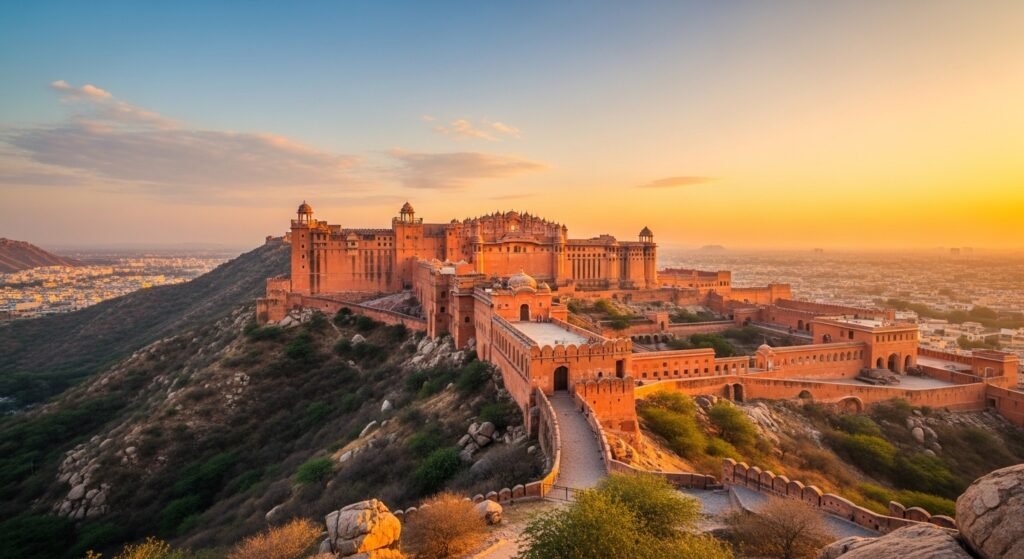
All these mountains overlook the whole city and therefore the Nahargarh Fort commands the views of Jaipur. It was initially made as a fortification of defense but it was an outpost of a royal family. The silent walks of the fort and the landscape terraces give the visitors an idea of the easy royal life that was once spent here.
Jaigarh Fort
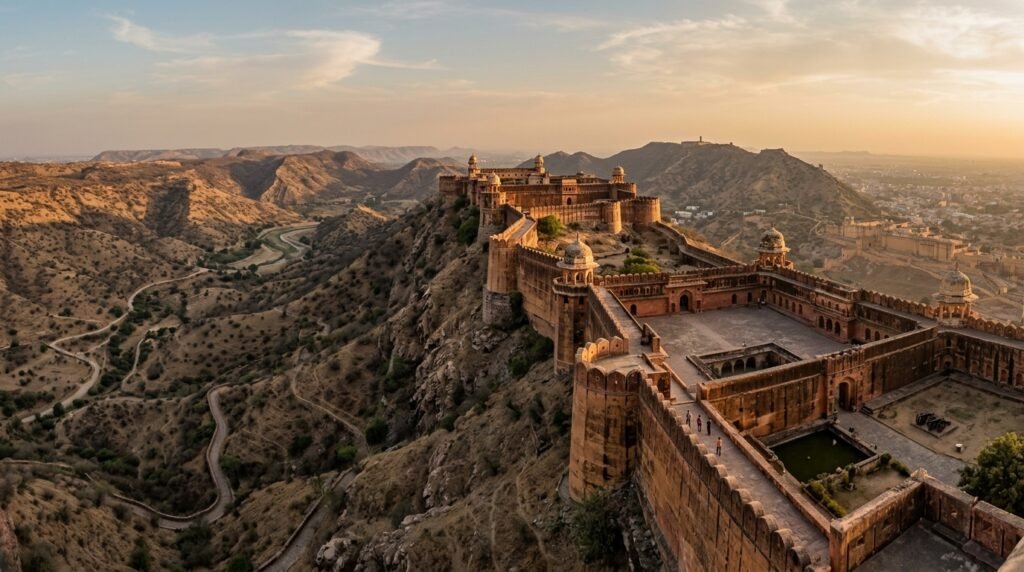
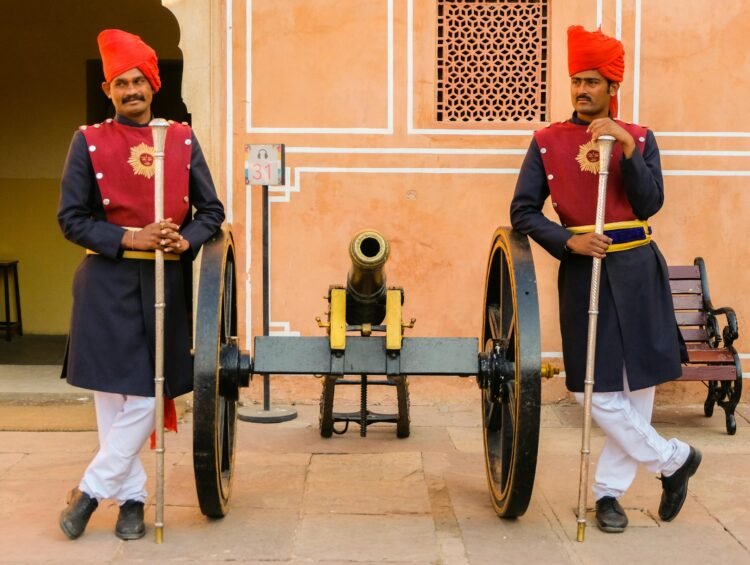
Jaigarh Fort is the testimony of the military strength and military line of Jaipur. It was built to fortify the Amber Fort and it accommodates a famous cannon called Jaivana Cannon which is reputed to be one of the largest wheeled cannons in the world. The fort is surrounded by great walls, watch towers, tunnels, etc, which points to the defensive brilliance of the Rajput monarchs.
Jal Mahal
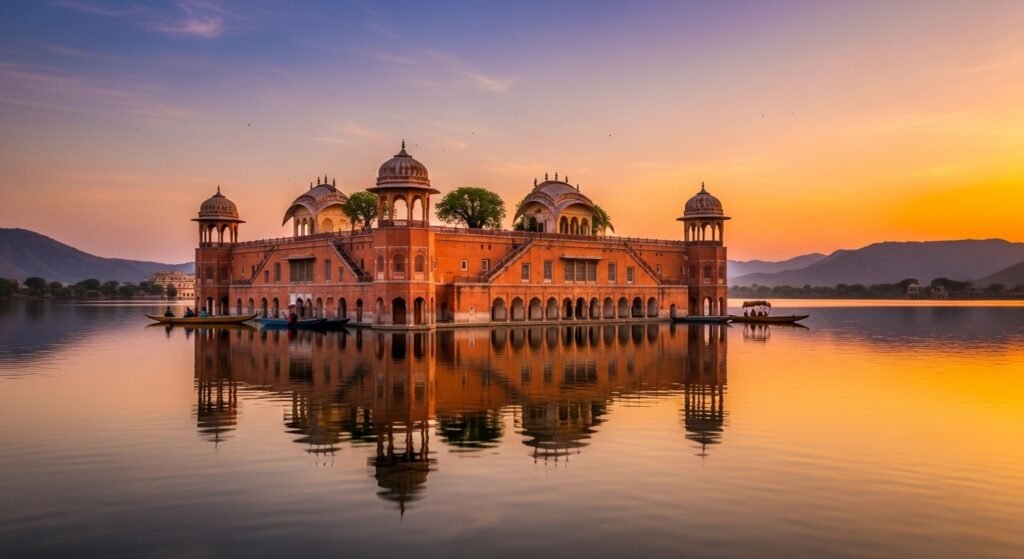
It is a magnificent structure situated in the centre of the lake of Man Sagar that forms a beautiful view in the background of Aravalli hills. The serene beauty of the palace cannot be enjoyed by the visitors and one of the most observed heritage buildings in Jaipur is the architectural beauty of the structure.
Albert Hall Museum
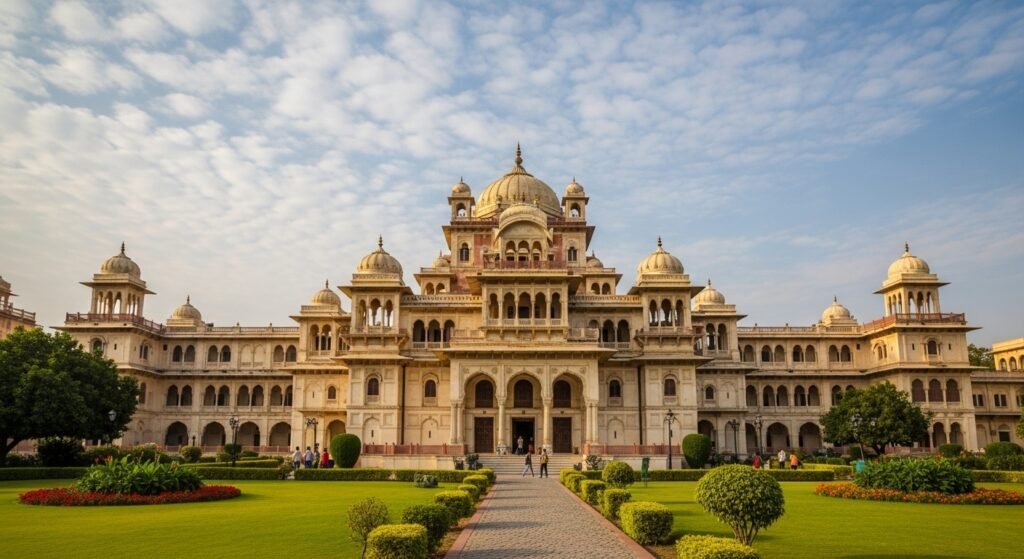
Albert hall museum is the oldest museum and is also an Indo-Saracenic architectural structure in Rajasthan. The museum reveals the brilliant exhibition of objects, photographs and sculptures and pieces of cloth materials representing the artistic heritage and cultural diversity of the place.
Jantar Mantar
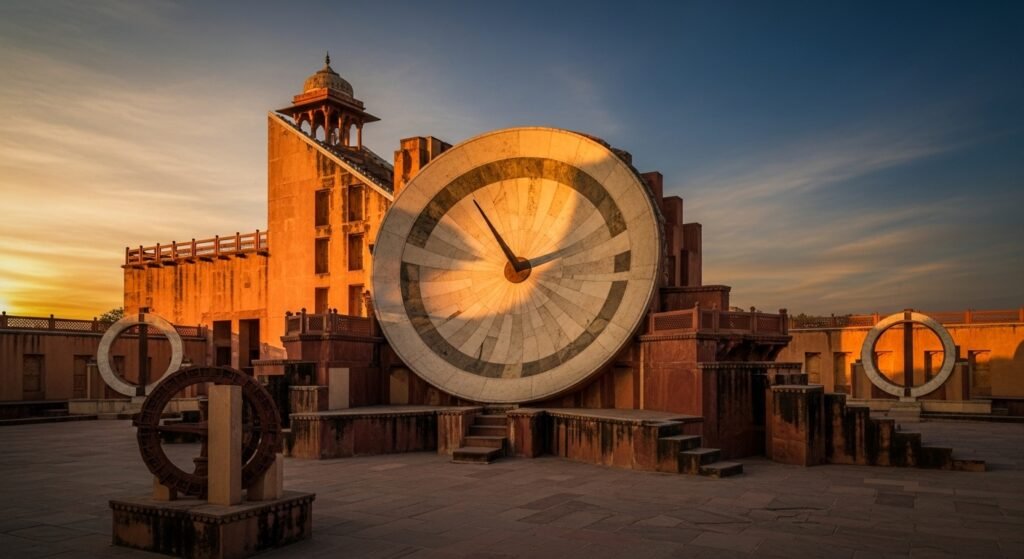
Gold of Jaipur was built by one of its rulers Maharaja Sawai Jai Singh II and his creation, Jantar Mantar, is an astronomic observatory that indicates the amount of scientific focus of the Jaipur founder. The place has monumental instruments which are employed to time, which observes the location of the stars besides monitoring the motions of the planets with much accuracy.
Panna Meena Ka Kund
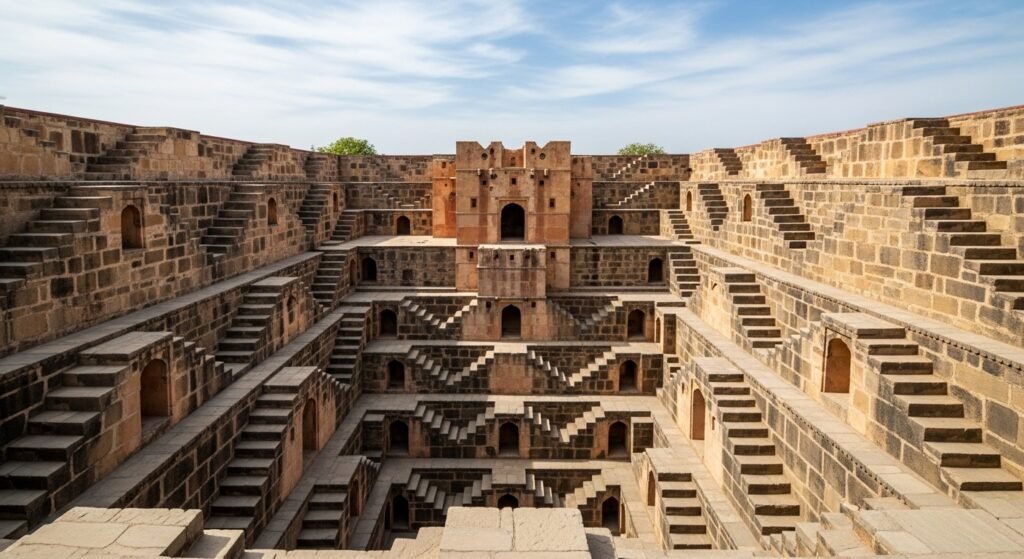
Panna Meena Ka Kund is a pre-historic step-well that is located at the location around the Amber Fort. The stepwell, which is said to be constructed with symmetrical stairs and with geometric shape, was a meeting point, where the locals would gather to collect water in the desert and interact during hot seasons.
Samode Palace
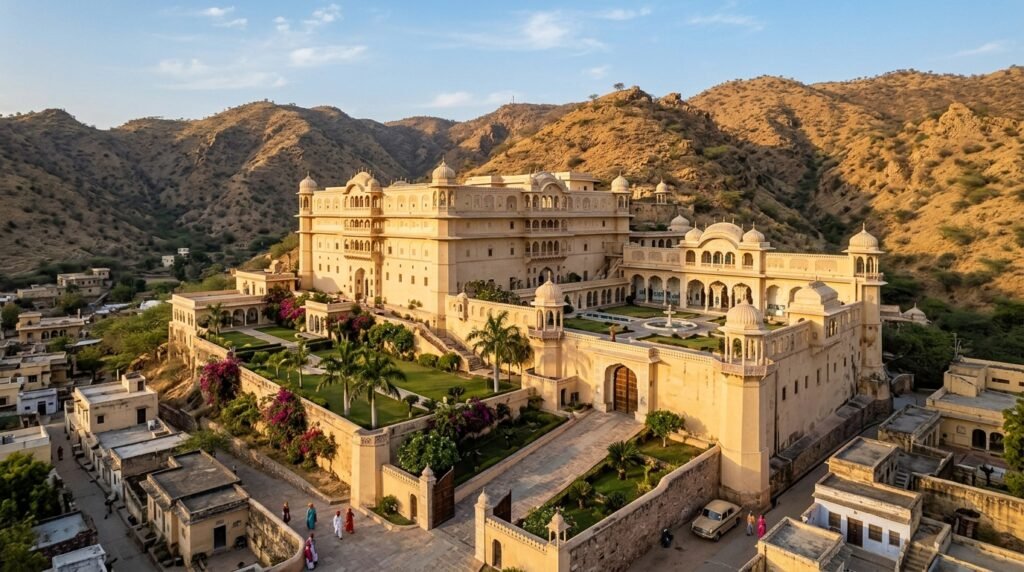
Samode Palace is a palace which is in Jaipur and is also a short drive thus appearing cool. A rich mirror work, frescoes, and massive halls have been done on the palace and this gives us an idea of the way the aristocracy in the region of Rajasthan lived well, yet preserved its historical image.