 Amelia Taylor
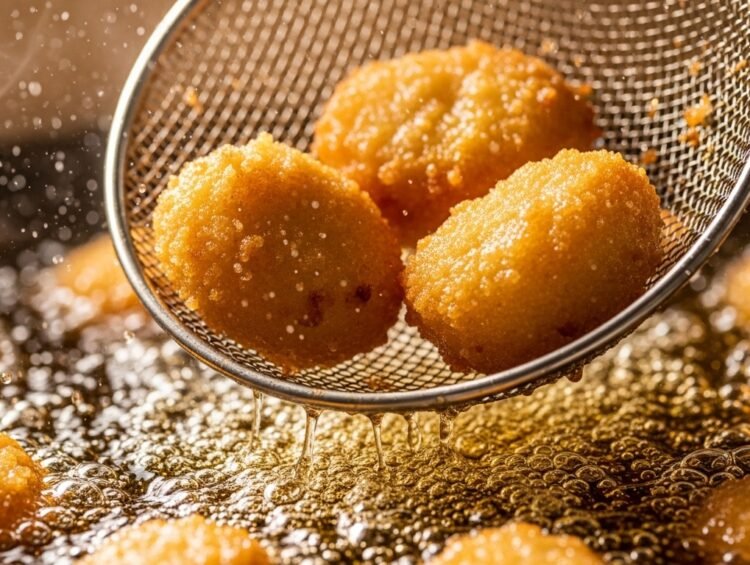
 Deep frying is luxurious, messy and even intimidating technique, nevertheless, done in good style, it is one of the most rewarding methods of cooking. Even the tastiest food can become the one so amazing by its crunchiness which can withstand, the yellowish colour and the dampness of the inside. Once again, be it in frying crispy items, frying vegetables and frying proteins, it is all about perfection in the fundamentals. It has nothing to do with just dropping food into hot oil, it has to be a matter of control, timing and methods. Deep frying is not hit but a sure sure and taster as you get to know the basics.
Choose the Right Oil
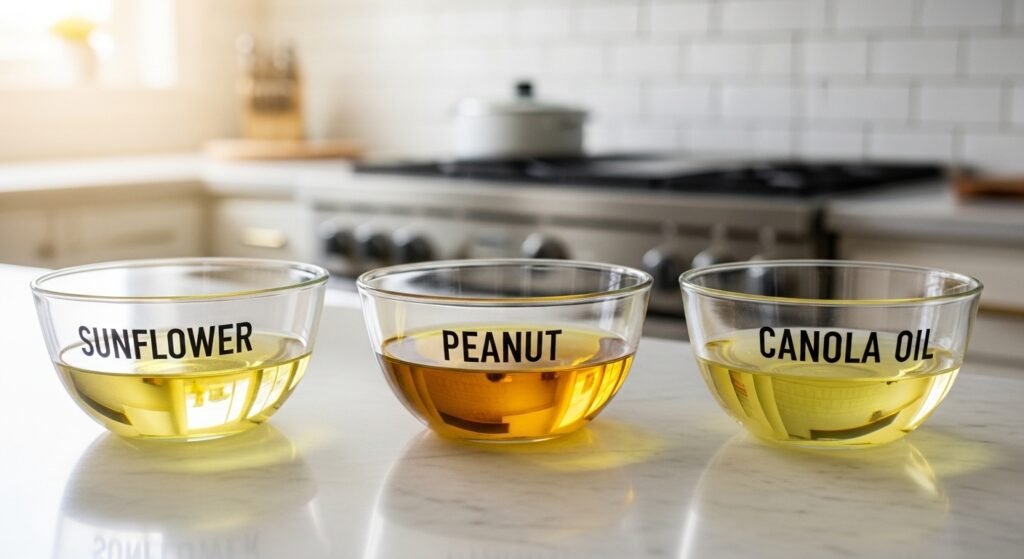
The ability to perform good deep frying starts with the choice of the oil. Apply oils with a high smoke point like sunflower oil, peanut oil or canola oil since they can withstand the heat and not spoil as a result affecting the taste.
Control the Temperature
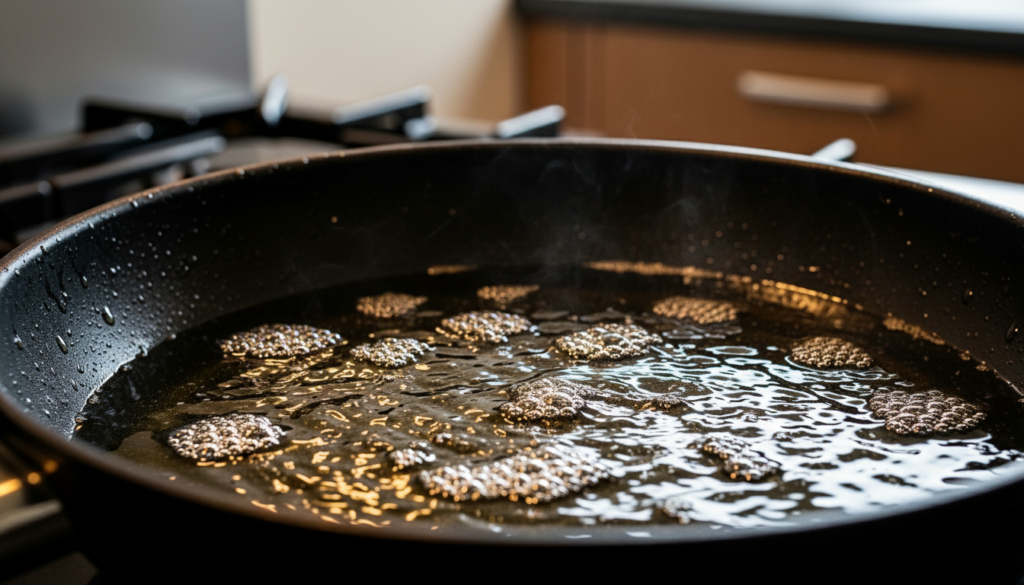
One should preserve the correct temperature of oil that must be between 170degC and 190degC. Hot and being outside will burn first before the inside is cooked, when too cold the food will absorb too much oil to get crispy.
Prep Ingredients Well
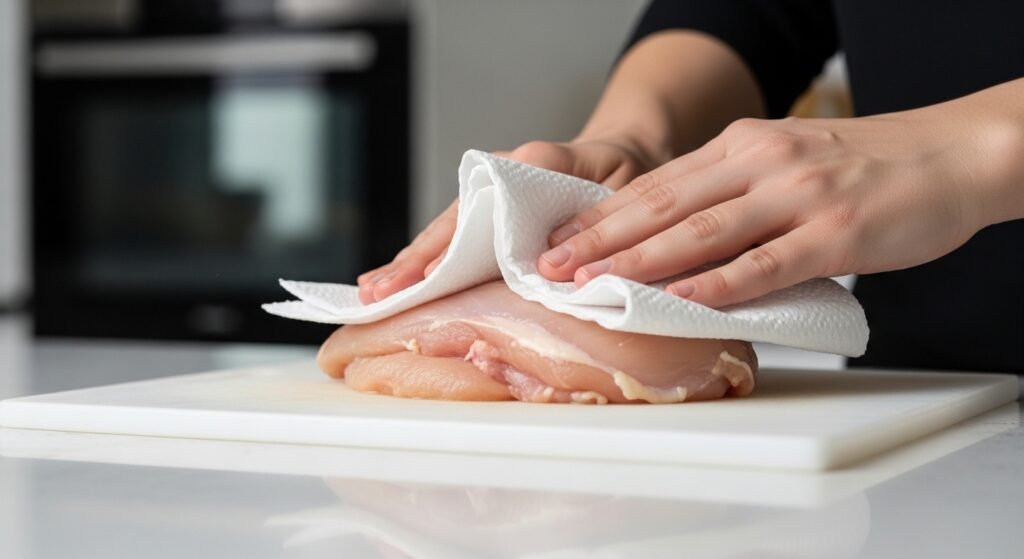
The deep frying is most successful with the dry. The first step on drying Pat then coated or fried because any excess water will make the oil splat and the final product will not look crispy.
Use the Right Coating
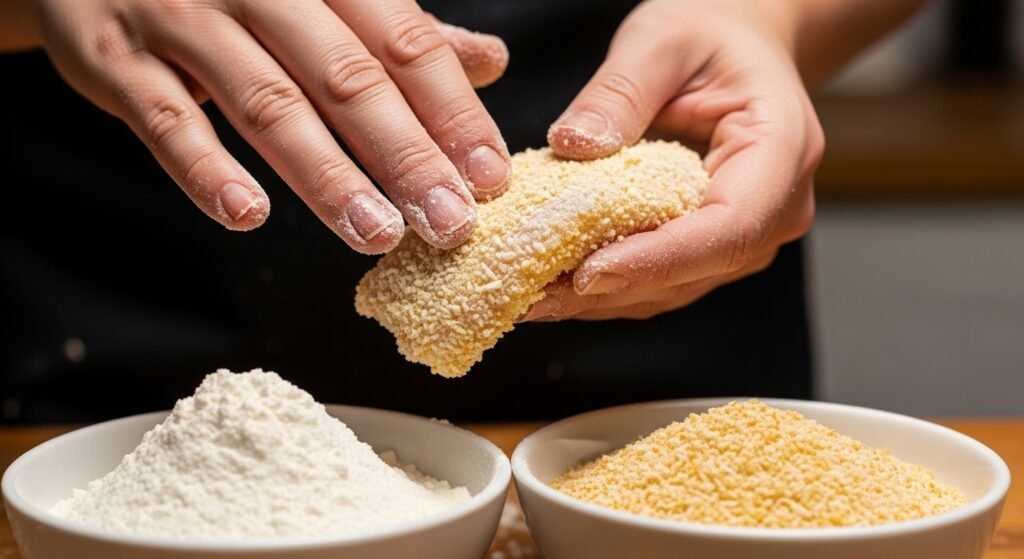
A positive conclusion offers a touch and taste. Lightly dusting flour, breadcrumbs, or batter, ensure it has stuck on, but it is not too thick, otherwise, uneven frying would be achieved.
Don’t Overcrowd the Pan
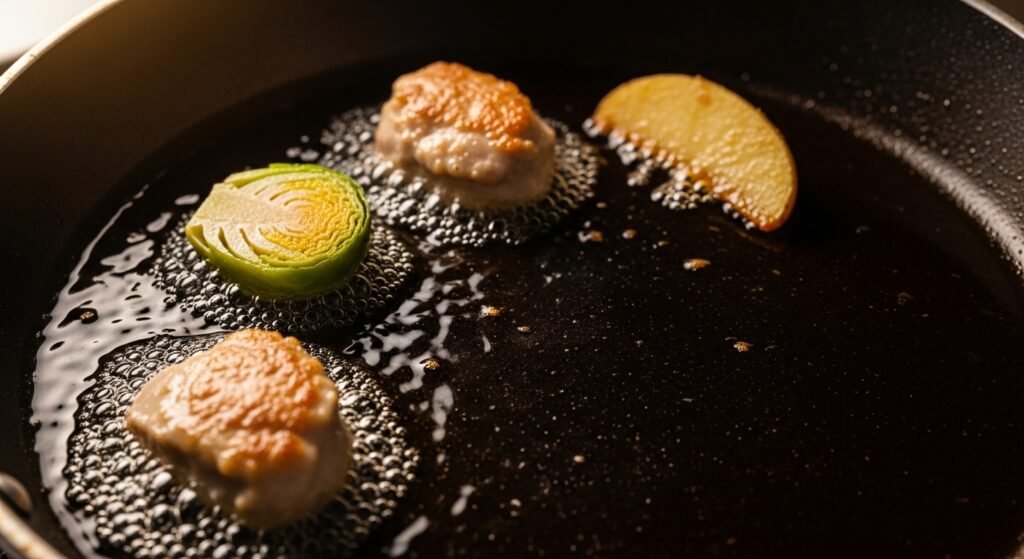
The temperature of oil is lowered within a brief duration by the addition of many items at a given time. Bake it in batches to make sure that both the heating amounts are the same and also to make sure that the cooking is not uneven.
Invest in Proper Tools
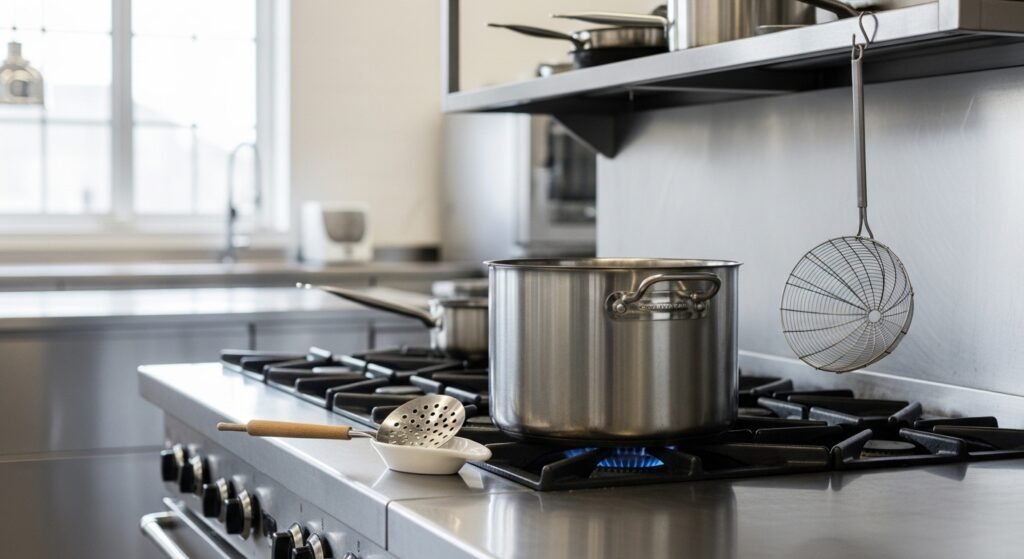
The best is the pan with deep bottom and heavy bottom. Add and remove food to the frying pot in a secure way that does not lead to spillage of the hot oil.
Watch the Timing
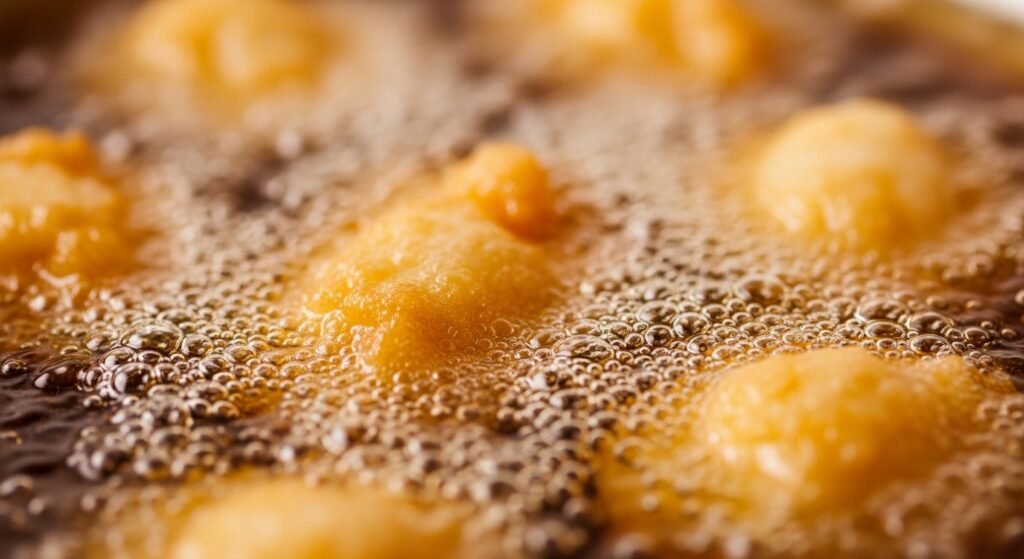
Various ingredients have the best frying time. Color and texture of the watch rather than taking the time given as a guide most of the time it becomes golden brown to indicate that it is cooked.
Drain Excess Oil
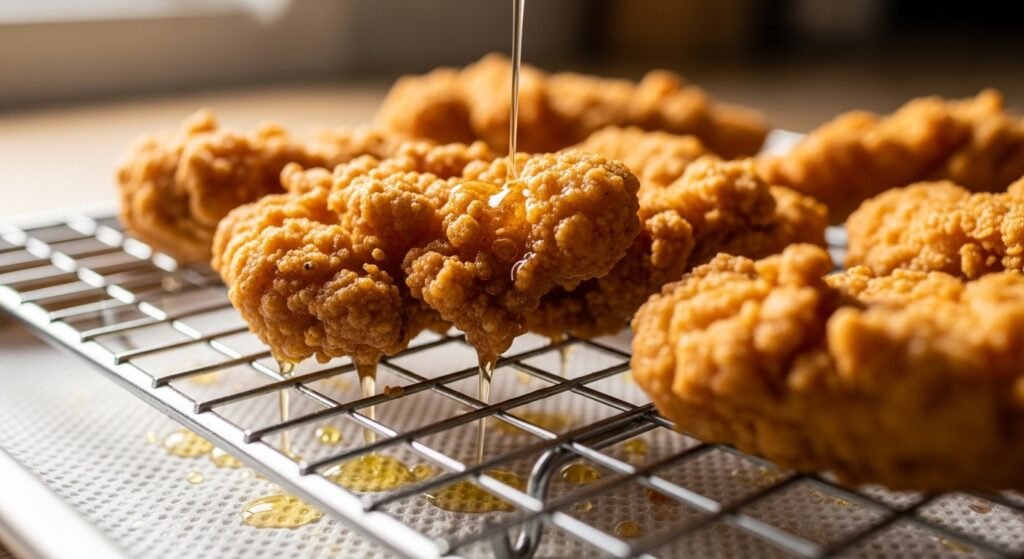
Food was cooked and placed on paper or a rack made of wire. This is achieved in a bid to remove the additional oil and to make sure that the food is not buttered.
Season Immediately
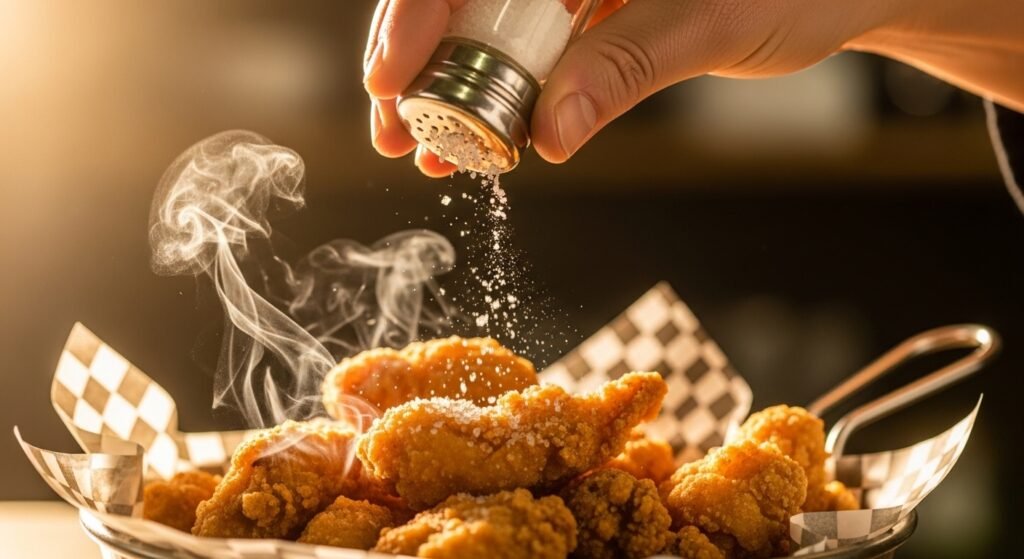
These salt and spices will be most sticking as long the food is still fresh out of the oil. Best (2007) states that it is always advisable to season without delay before it gets warm in order to provide flavor to it.
Reuse Oil Smartly
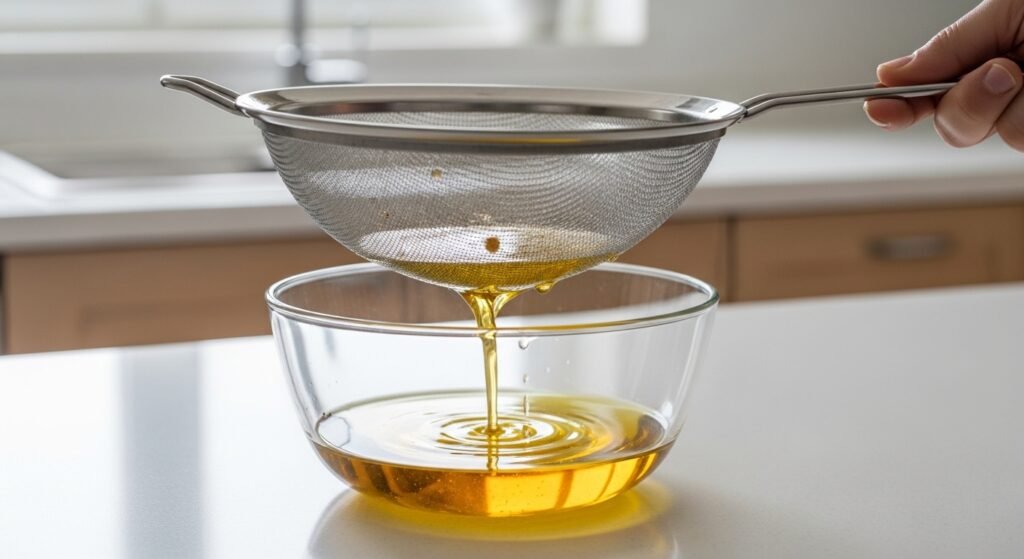
Over oil, which has not been burned, and it is clean. With still oil, one can utilize it on two occasions, meaning that it requires manipulation, as well as saving funds simultaneously without harm.