 Harper Anderson
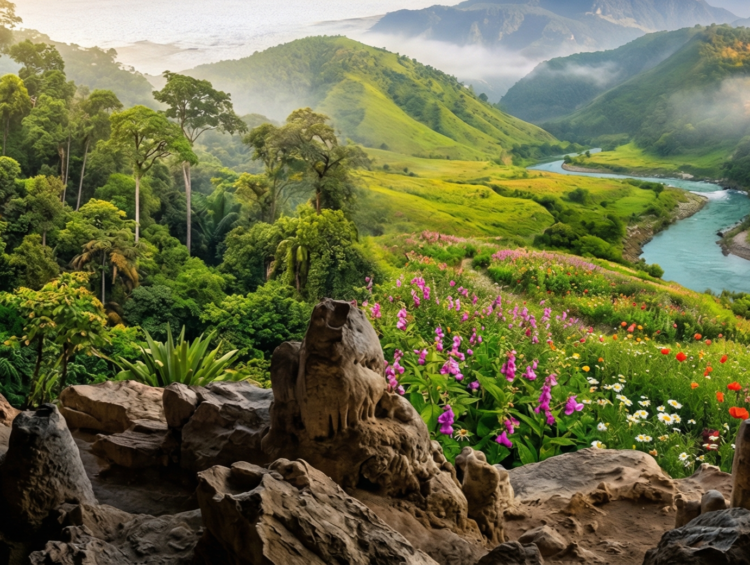
 India develops its unique landscape through the combination of its snowy peaks and golden deserts and lush tropical forests. The country presents numerous natural attractions which range from the frozen Himalayan heights to the southernmost underwater caves which look like cinematic scenes. The natural world develops its ecosystems which demonstrate both strength and artistic capacity through these natural wonders.
The Lonar Crater Lake
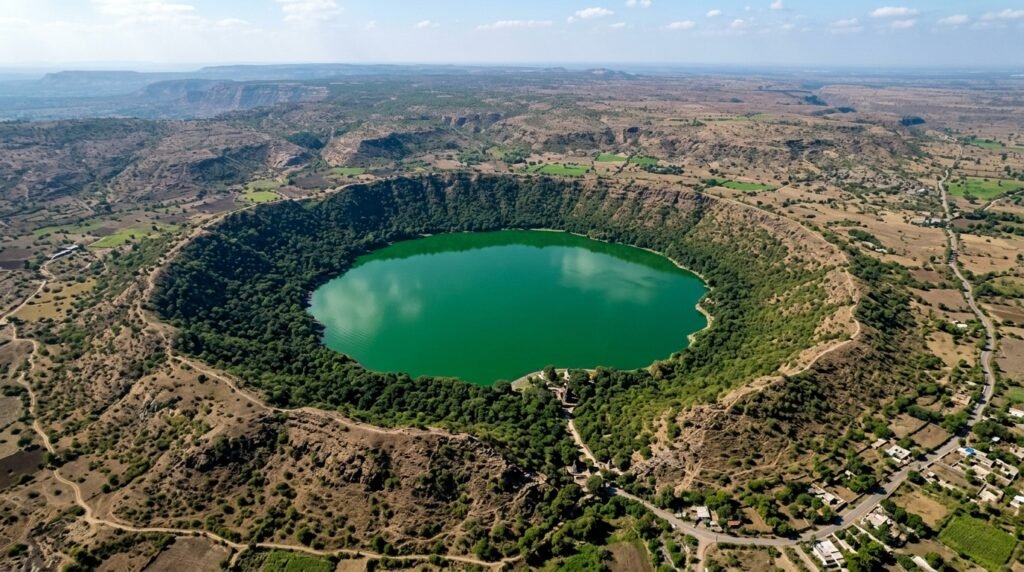
This beautiful green lake in Maharashtra originated when a meteorite impacted Earth around 50000 years ago. The site contains one of the world’s few high-velocity impact craters which exists in basaltic rock thereby serving as both a scientific marvel and a concealed treasure for hikers.
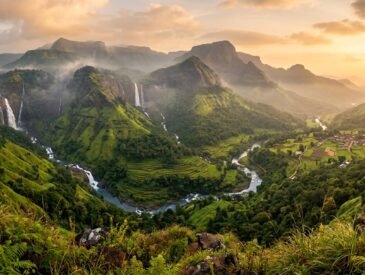
The Living Root Bridges
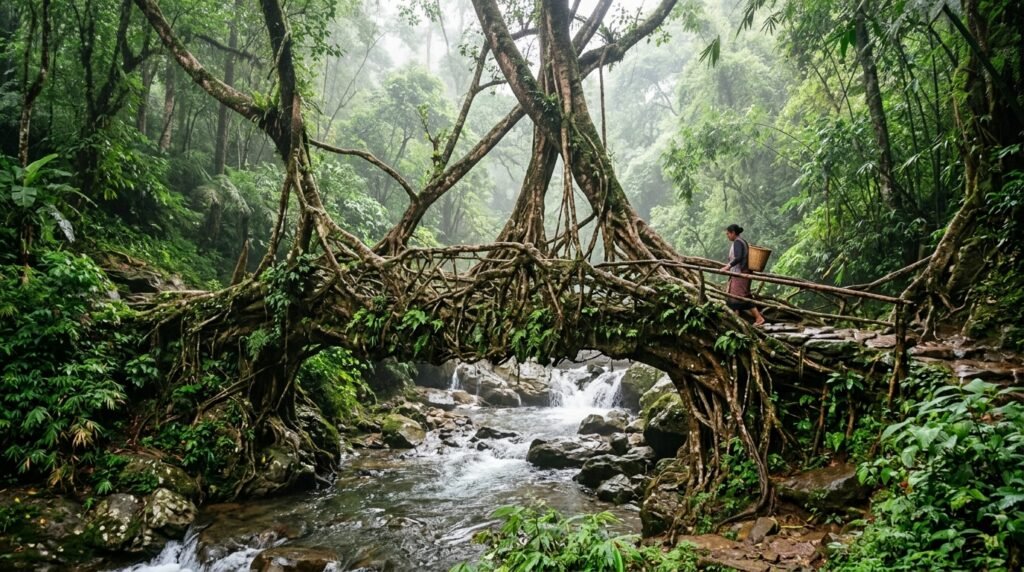
The indigenous tribes In Meghalaya rain-soaked forests have spent centuries to develop bridges through the process of guiding rubber tree roots across rivers. The natural structures grow in strength as they age because their design allows them to support up to fifty people simultaneously.
The Valley of Flowers
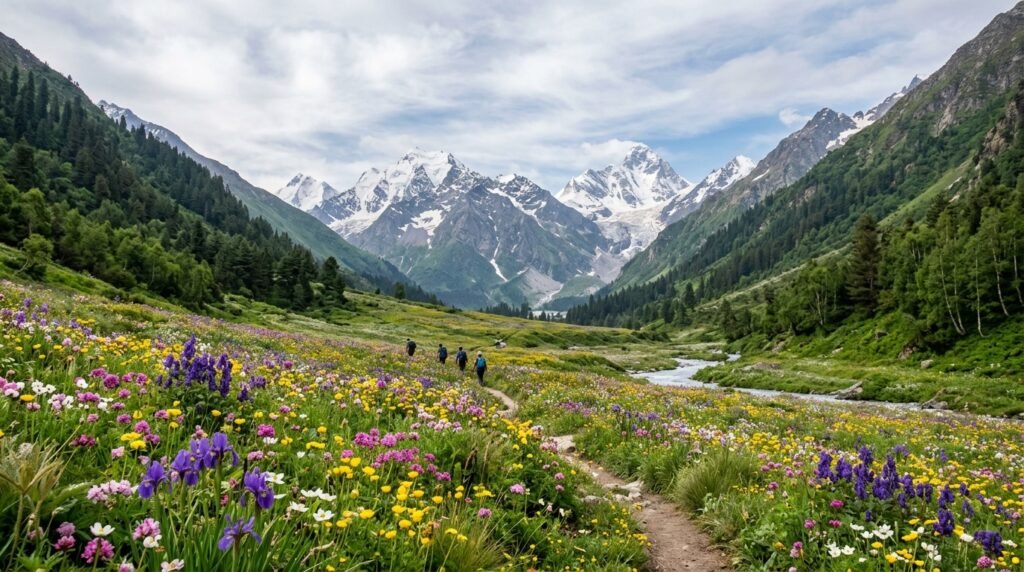
This national park located in the Uttarakhand Himalayas transforms into a colorful wildflower display which covers its entire area during the monsoon season and the area contains snow leopards and other rare animals which create a meadow that resembles a real-life fairytale setting.
The Magnetic Hill of Ladakh
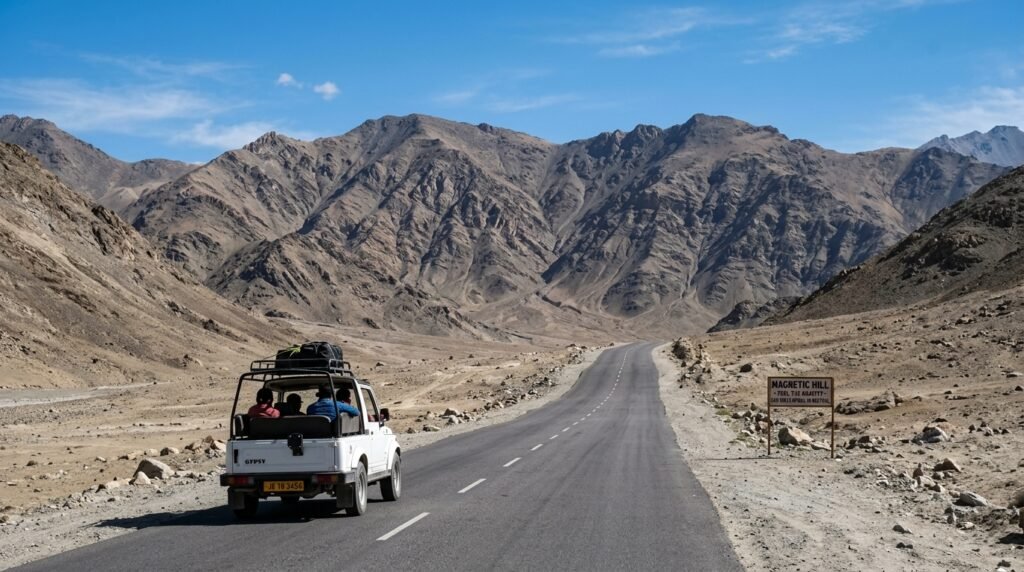
The road in Leh defies gravity because it appears to move nonmoving vehicles uphill. The experience of watching a car move “on its own” creates a bucket-list moment for travelers who visit the site because it results from an optical illusion which exists through landscape features.
The Marble Rocks of Bhedaghat
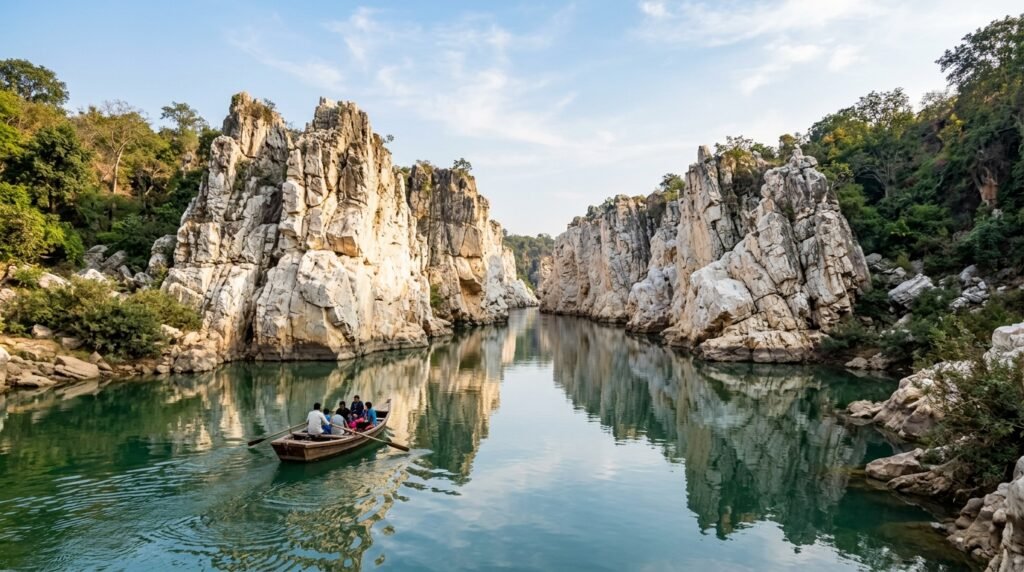
The Narmada River in Madhya Pradesh has created deep gorges through soft white marble and the cliffs which rise to 100 feet create a silver landscape that becomes most visible during moonlit nights through their reflection on water.
The Floating Islands of Loktak
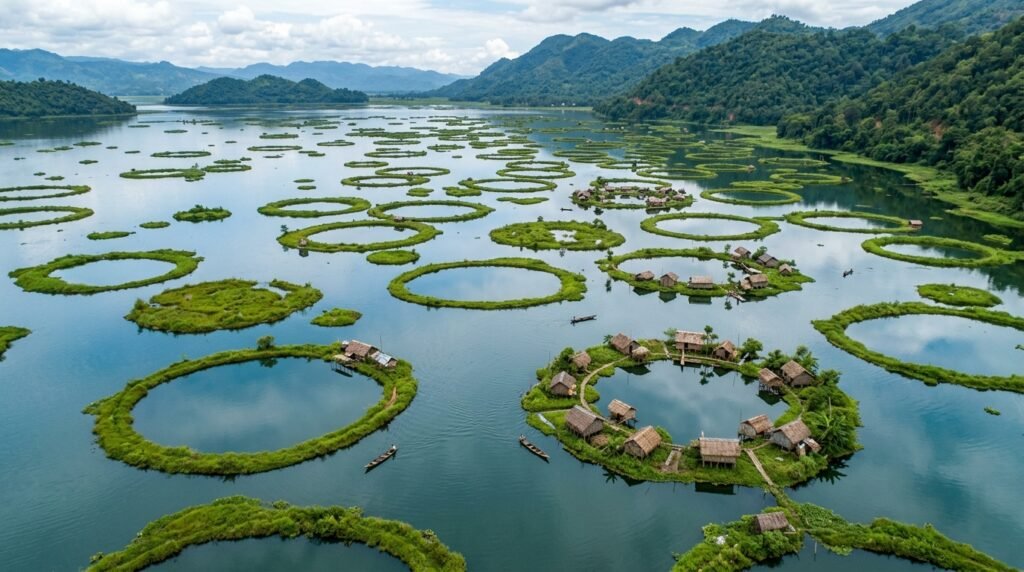
Manipur contains the unique national park which exists on floating land. The “phumdis” describe circular floating landmasses of vegetation and soil which can support local huts and Sangai deer through their strong weight-bearing capacity.
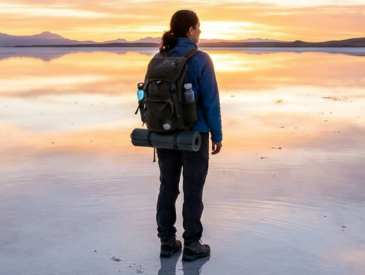
The Salt Desert of Kutch
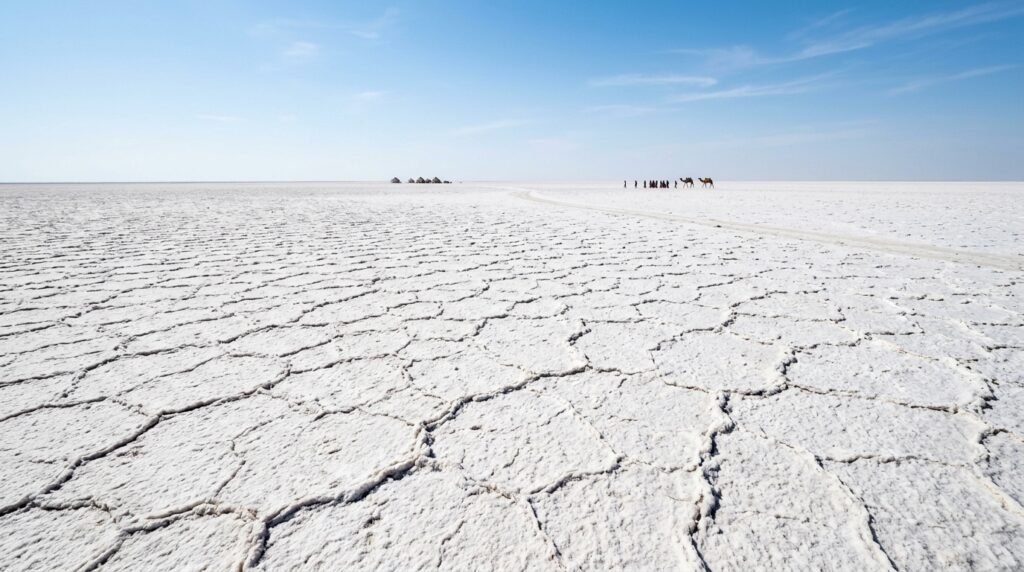
The Rann of Kutch located in Gujarat rates as one of the biggest salt deserts throughout the entire globe and the dry season transforms the landscape into a white cracked salt expanse which resembles a frozen snowy wasteland under the sun.
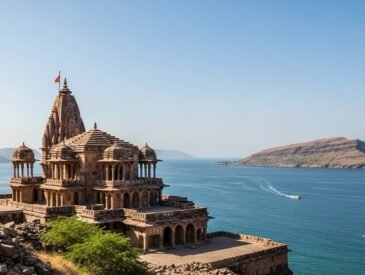
The Columnar Basaltic Lava
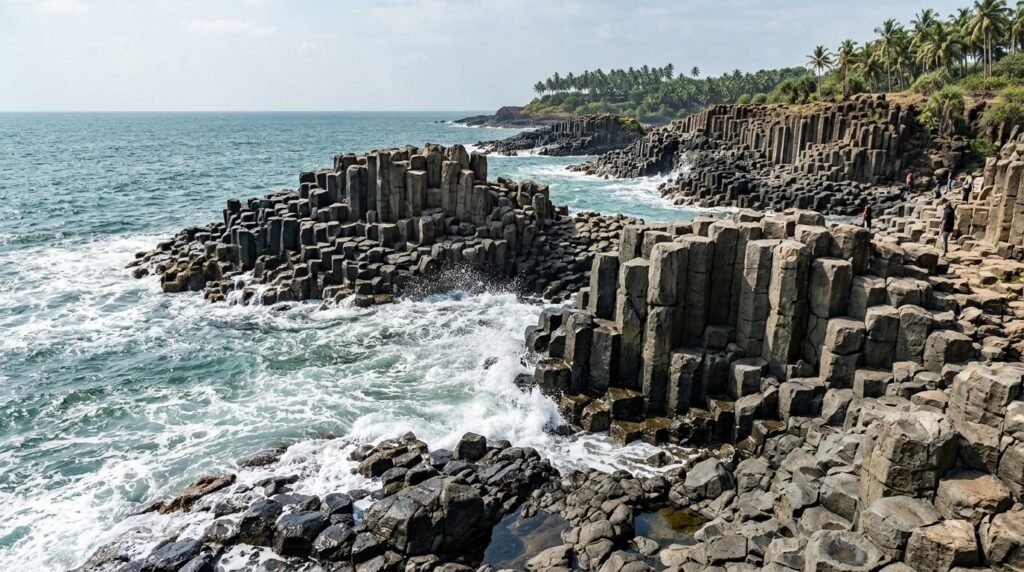
St. Mary’s Island in Karnataka features its land area which has hexagonal rock columns resulting from past volcanic activity. The geometric pillars take on a hand-carved appearance while they exist as a natural geological formation which developed through geological processes.
The Majuli River Island
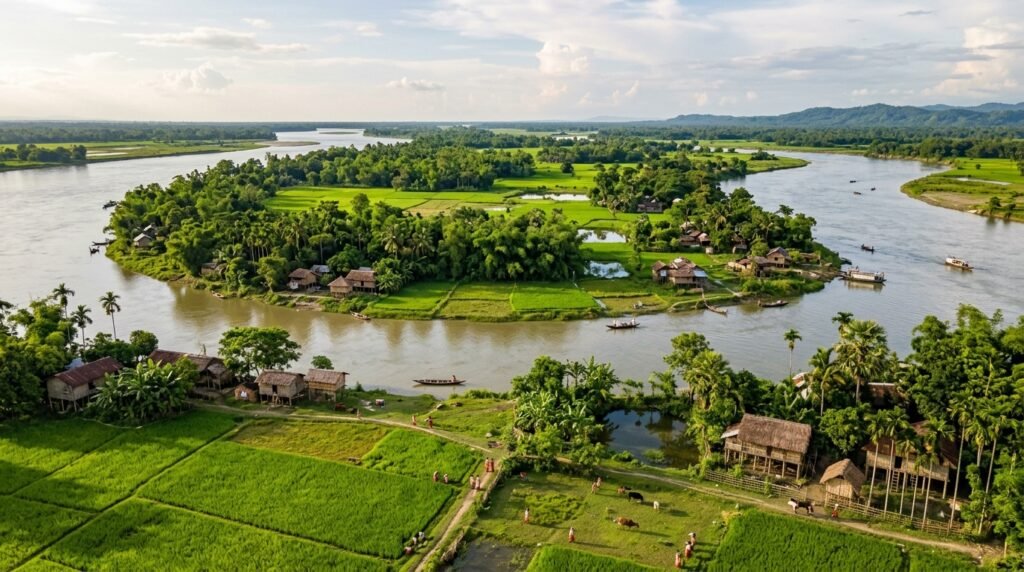
Majuli stands as the world’s biggest river island which exists in the Brahmaputra River of Assam. The area features a landmass which consists of dense vegetation and cultural heritage which undergoes shape transformations during each monsoon season.
The Borra Caves
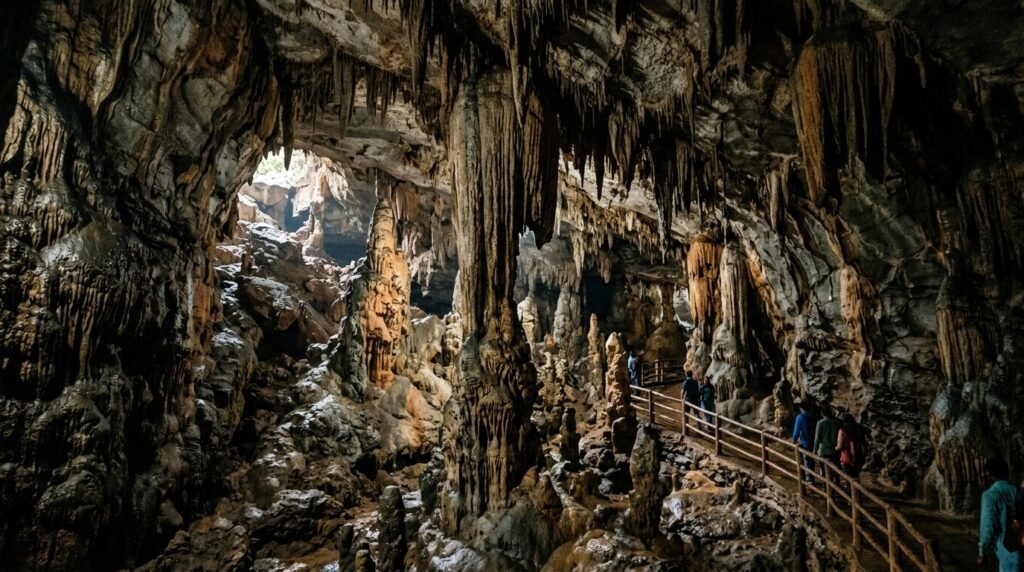
The limestone caves of Andhra Pradesh display their ancient beauty through the presence of massive stalactites and stalagmites and the rock structures took millions of years to develop into shapes which resemble sculptures depicting animals and mythical beings.